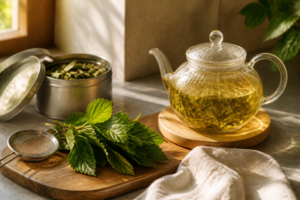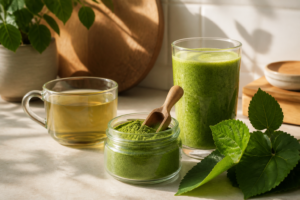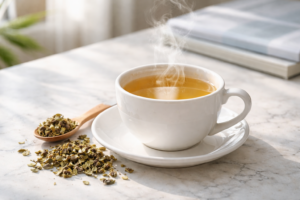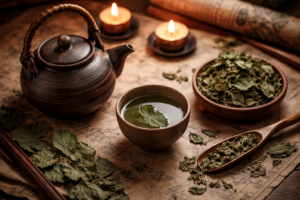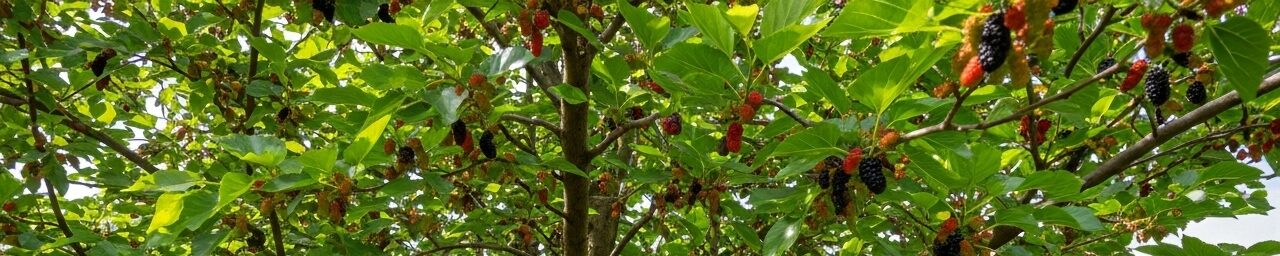

Tending a mulberry tree often means learning as you go: fruit can slip through your fingers, fresh harvest can stain surfaces permanently, and watching berries fall and rot beneath the canopy feels worse than missing the harvest altogether. With experience, a working rhythm develops. Among the revelations from experimenting with mulberry cultivation is recognizing that branches traditionally composted can deliver something remarkable—when dried and steeped, they produce a genuinely wonderful brew. Once you start playing with variations, it’s hard to resist pushing beyond a plain hot drink. Mulberry leaf tea preparations can be refined through successive harvests, made from foliage that’s been picked and preserved at home rather than ordered from a supplier or bought as a commercial product—the way someone working with backyard trees really approaches it.
The Kettle That Finally Made Leaf Harvesting Worth the Time
Once you decide that salvaging and drying mulberry foliage is worth your time rather than composting it away, you’ll need water reaching the right heat level—and holding steady there. Dumping everything into a standard kettle that maxes out at 212°F will scorch those fragile leaves and make your infusion taste harsh and overpowering before it even touches your lips. Delicate cultivars can easily turn bitter if the water temperature isn’t managed carefully.
Where the temperature control shines
- Targeting 160–170°F for your mulberry leaves—whether fresh or already dried—lets you catch those quieter, more delicate flavor notes instead of just getting walloped by astringency. Brewing tea at the correct temperature yields a smooth, sweet flavor rather than the harshness that results from water that is too hot.
- The ability to lock in your chosen temperature for half an hour or longer means you’re not frantically racing to steep before cooling or cranking the heat back up and wrecking an otherwise good batch. It’s especially handy when I’m juggling my chores in the garden, like pruning my Chinook or Illini Star trees.
- Fast enough that brewing becomes something I’ll actually do on Tuesday morning without procrastinating—the whole leaf-salvaging cycle feels less like a chore and more like a regular rhythm. I’ll often find myself sipping a cup while watching my kids play in the yard, a perfect moment of peace.
Where it falls short
- Slower to climb to temperature compared to a simple stovetop kettle—bothered me for about a week until I realized the frustration was mostly impatience on my part. I just had to learn to slow down and appreciate the process.
- The readout on the digital display is cramped and tough to make out if you’re standing on the porch in midday glare trying to check your numbers. I’ve had a few squinting moments, but I think it just adds to the charm of my morning rituals.
I almost returned mine after day two because I kept wanting to just boil water the old way, but sticking with the lower temps completely changed how my homegrown tea tasted. I can confidently say that my Ozark Premier leaves have never tasted better! Get yourself a Chefman Electric Kettle with Temperature Control.
Frequently Asked Questions
Why does my mulberry leaf tea taste bitter and harsh?
If your mulberry tea tastes harsh and overpowering, the water was likely too hot. A standard kettle that maxes out at 212°F scorches these fragile leaves and makes the infusion taste bitter. Targeting 160–170°F instead catches the quieter, more delicate flavor notes rather than pure astringency.
Can I use fresh mulberry leaves for tea instead of dried?
Yes, either works. Targeting 160–170°F brings out the delicate notes in mulberry leaves whether they are fresh or already dried. Drying allows leaves to be steeped long after pruning, and the brewing temperature matters more than the state of the leaf.
Do I really need a temperature-controlled kettle for mulberry leaf tea?
Holding water at 160–170°F for half an hour or longer means you’re not racing to steep before it cools, or cranking the heat back up and wrecking an otherwise good batch. It makes brewing mulberry tea practical enough to do on a weekday morning.
What are the downsides of the Chefman kettle with temperature control?
It climbs to temperature more slowly than a simple stovetop kettle, which bothered me for about a week until I realized the frustration was mostly my own impatience. The digital display is cramped and tough to read in midday glare out on the porch. I nearly returned mine on day two, but sticking with the lower temperatures changed how my tea tasted.
Keep Reading
About This Article
Written by Ruth Nakamura. Ruth Nakamura is a backyard orchardist in the Pacific Northwest who has grown mulberries for fifteen years, cultivating twelve different varieties in her own backyard. Not a horticulturist by formal training - she shares what she has learned through hands-on growing, workshops, and connecting with nurseries and growers across the country. More about this site.
Scope and limits. Ruth is a backyard orchardist without formal horticultural training. Growing conditions vary enormously by region, so confirm variety, timing, and pest guidance with your local extension service.
Verify this against a primary source
Specifics change, and your situation may differ from the one described here. These are the authorities worth checking directly:
- USDA Plant Hardiness Zone Map — zone verification for your location
- Oregon State University Extension — fruit growing and pruning research
- USDA PLANTS Database — species range and identification