Mulberry leaves will surprise you with what they can do for your body—if you know where to look. Most people grow mulberry trees for the fruit alone, never realizing the foliage holds therapeutic compounds that rival anything in a supplement bottle.
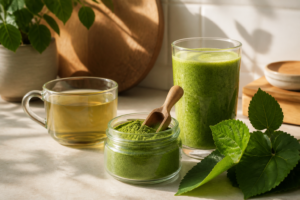
For generations, traditional healers across Asia and the Mediterranean have turned to mulberry leaves as medicine. While the berries grab all the attention, the leaves of the Morus alba tree quietly deliver something equally potent: genuine nutritional density wrapped in deep green. These aren’t just silkworm fodder—they’re loaded with bioactive compounds that modern research now validates. The spectrum of what mulberry leaves can accomplish ranges surprisingly wide: stabilizing glucose metabolism, fortifying the cardiovascular system, flooding cells with antioxidants, and much more. Whether you’re hunting for mulberry leaf health benefits, mulberry leaves benefits, or specifics about mulberry leaf tea benefits, you’ll find the answers here—grounded in both traditional use and modern research.
| Preparation Method | Fresh Leaves | Steep/Storage Time |
|---|---|---|
| Tea Brewing | 5 to 10 fresh leaves per cup | 5 to 10 minutes |
| Dried Leaves | approximately one teaspoon per cup | maintains potency for many months |
| Tincture/Extract | fresh or dried leaves in alcohol or glycerin | several weeks |
Seven Distinct Advantages Mulberry Leaves Deliver
1. Glucose Stabilization and Blood Sugar Control
Research has zeroed in on one particular strength of mulberry leaves: keeping blood sugar from spiking dangerously. Compounds called iminosugars sit inside these leaves and actually slow how quickly your body breaks down carbohydrates during digestion. The result? Glucose seeps into your bloodstream gradually instead of flooding it all at once. People managing prediabetes or type 2 diabetes have reported real shifts after building mulberry leaf tea into their daily intake. For myself, I’ve noticed that a cup before lunch or dinner makes a tangible difference—my afternoons feel steadier, without the energy crash I used to hit around 3 p.m. It’s a simple addition, but it has transformed my daily routine.
2. Cardiovascular Function and Heart Protection
Your heart depends on staying ahead of inflammation and cholesterol buildup—two areas where mulberry leaves genuinely excel. They’re packed with antioxidants that work against cellular damage, plus resveratrol, that same compound everyone talks about in red wine, which keeps blood vessels supple and functional. The leaf’s chemistry also helps bring cholesterol numbers down and keeps blood moving smoothly through your arteries. Drinking mulberry leaf tea on a regular schedule can meaningfully lower your odds of heart disease while supporting better overall cardiac wellness. I often steep a big batch on Sundays and enjoy it throughout the week, knowing I’m doing something good for my heart.
3. Cellular Protection Through Antioxidants and Anti-Inflammatory Action
That rich green shade you see in mulberry leaves comes directly from their load of polyphenols and flavonoids—nature’s cellular bodyguards. These compounds shield your cells from the oxidative stress that accelerates aging and disease. Equally important is their anti-inflammatory kick: they dampen the chronic inflammation that underlies so many modern health struggles. Joint pain, digestive distress, systemic inflammation—mulberry leaves offer a botanical answer without the drawbacks of synthetic drugs. I’ve found that when I incorporate mulberry leaf tea into my routine, I feel more energetic and less achy, especially during the damp winters here in the Pacific Northwest.
4. Digestive Tract Support and Gut Health
Across Asia, traditional practitioners have long relied on mulberry leaves to get digestion working smoothly. They foster the growth of bacteria your gut actually needs to thrive, and they calm an inflamed or irritated digestive lining. The fiber they contain supports regular, healthy bowel movements, while antimicrobial compounds keep pathogenic bacteria in check. People who’ve added mulberry leaf tea to their routine often report less bloating, fewer digestive complaints, and noticeably better regularity. Personally, I’ve noticed that sipping on this tea after meals helps me feel lighter and more comfortable, especially after I might have overindulged.
5. Natural Weight Regulation and Appetite Control
Stable blood sugar is the secret weapon for keeping weight in check—and that’s mulberry leaves’ specialty. When your glucose doesn’t crash and spike, cravings for sugary foods fade naturally, and overeating becomes far less likely. Your energy stays consistent instead of plummeting and sending you hunting for a quick fix. Some evidence also suggests the active compounds in mulberry leaves nudge metabolism forward slightly, making them a sensible piece of a comprehensive approach to weight maintenance. I’ve found that when I drink mulberry leaf tea regularly, I reach for those less healthy snacks less often, which is a win!
6. Mental Sharpness and Long-Term Cognitive Resilience
Your brain ages faster when it’s under constant oxidative attack—but mulberry leaf antioxidants intercept that damage before it accumulates. Emerging research hints that steady mulberry leaf consumption may enhance focus and retention and could protect against the cognitive decline that creeps up with age. On days when I’m consistent with my tea, I find my thinking clearer and my attention spans longer. I often share a cup of mulberry tea with my neighbor while discussing our latest gardening adventures, and I swear it makes our brainstorming sessions much more productive!
7. Fortified Immune Defense
Mulberry leaves pack vitamin C, iron, and specialized plant compounds that all work to amplify your immune response. They trigger your body to generate more of the cells responsible for fighting infection, which means you’re equipped to resist colds, flu, and other bugs more effectively. Consuming mulberry leaf tea consistently—especially once cold season rolls around—translates into fewer sick days. I make a point to steep a big pot of mulberry leaf tea in late fall and share it with my family to help ward off those pesky winter bugs.
Getting Mulberry Leaves Into Your Daily Life: Three Working Methods
Steeping Fresh Leaves for Immediate Tea
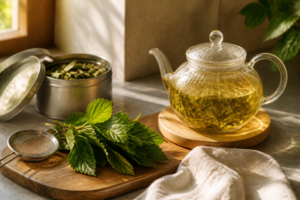
The most direct path is brewing leaves straight from the branch. Use 5 to 10 fresh leaves, submerge them in hot water, and wait 5 to 10 minutes before straining. You’ll get a delicate, subtly sweet cup that needs nothing added—though honey or a squeeze of lemon works if that’s your preference.
Preserving Leaves Through Drying
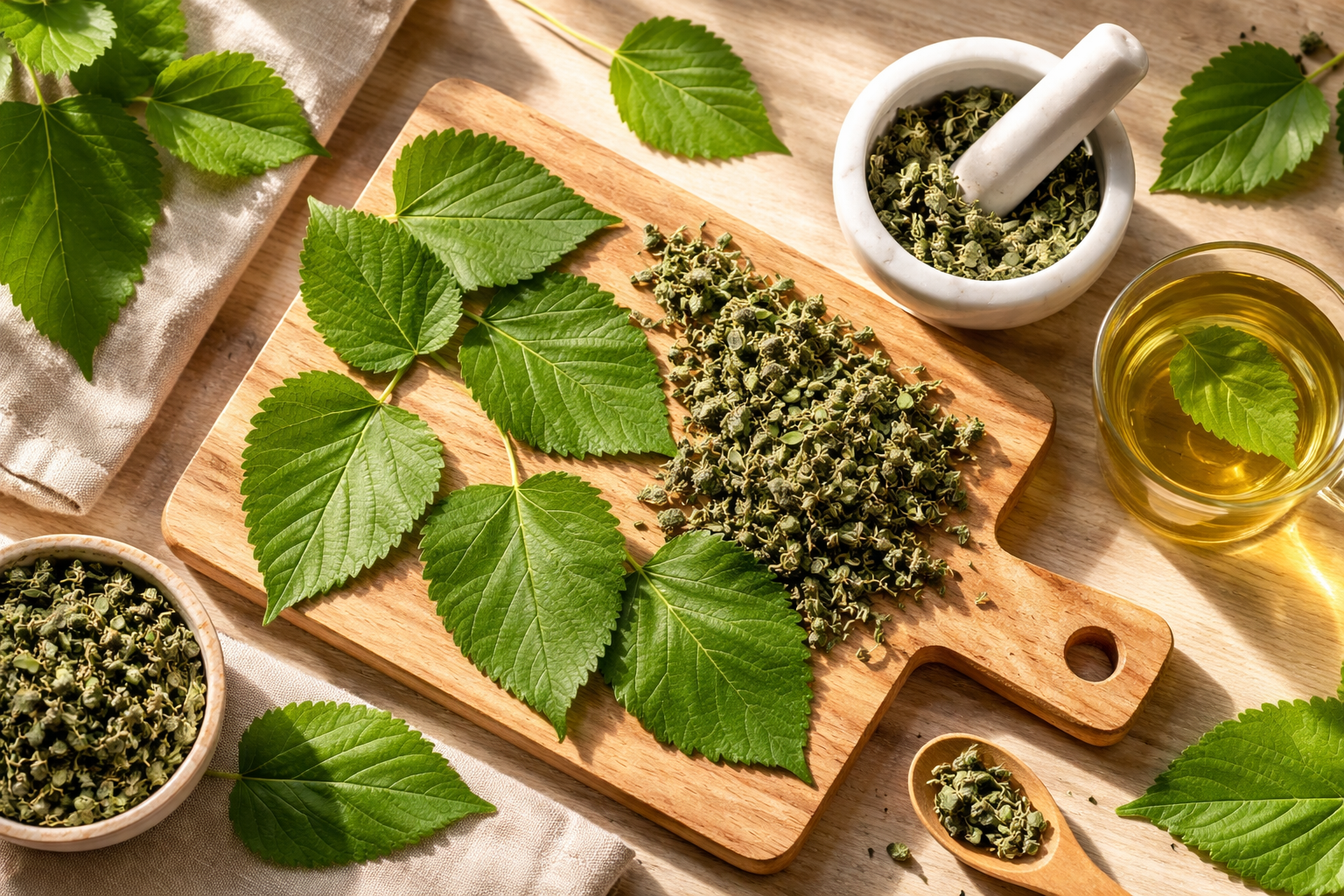
To extend your harvest across months, dry the leaves in a shaded, cool space or run them through a dehydrator on its lowest setting. Once completely dry, seal them in an airtight container away from light. When you’re ready to brew, use approximately one teaspoon of dried leaves per cup of water. Stored this way, dried leaves maintain their potency for many months. I like to dry a batch in late summer when the leaves are at their peak, allowing me to enjoy the benefits all year long.
Crafting a Concentrated Tincture or Extract
For a more potent preparation, submerge fresh or dried leaves in alcohol or vegetable glycerin and let them sit undisturbed for several weeks. This method pulls out the active compounds into a concentrated liquid that you consume in small measured doses. I’ve experimented with this method, and it’s a great way to ensure I have a concentrated source on hand, especially during the cold months when I want an extra boost.
Precision Cuts Matter When You’re Harvesting Leaves Season After Season
Repeated leaf harvesting—whether you’re gathering for fresh brewing, drying batches, or making extracts—demands clean cuts. Dull shears that crush or tear the stems instead of slicing them cleanly open the door to infection and slow the branch’s ability to heal. I discovered this during my first intensive leaf-harvesting year when torn stem ends took weeks to properly callus over, leaving my trees vulnerable the whole time. Learning to be gentle yet efficient has been key to keeping my trees healthy while still harvesting plenty for my needs.
What delivers results
- Bypass blades execute a single clean cut through leaf petioles and tender growth—no crushing tissue, which accelerates healing and eliminates weak points where fungi enter.
- Lightweight enough that dozens of harvests throughout the season don’t exhaust your hands, which matters when you’re picking multiple times weekly to maintain a steady medicine supply.
- The blade stays sharp through months of regular cutting sessions, eliminating the constant re-sharpening that wore me down with inferior tools.
What falls short
- The grip is narrow, which can turn picking sessions uncomfortable if you have larger hands or if arthritis makes gripping difficult for extended periods.
- Anything thicker than roughly three-quarters of an inch overwhelms the blade design, so larger branch work requires you to reach for loppers—these stay dedicated to leaves and small stems.
I almost gave up on these my second week because I was gripping them wrong and getting hand cramps, but once I adjusted my technique, they became my go-to harvest tool. Fiskars bypass pruning shears
Frequently Asked Questions
How many fresh mulberry leaves do I need per cup of tea?
Use 5 to 10 fresh leaves per cup, submerged in hot water and steeped 5 to 10 minutes before straining. The cup comes out delicate and subtly sweet, so it needs nothing added, though honey or a squeeze of lemon works if that’s your preference.
How long do dried mulberry leaves keep their potency?
Stored correctly, dried leaves maintain their potency for many months. I dry mine in a shaded, cool space or run them through a dehydrator on its lowest setting, then seal them completely dry in an airtight container away from light. For brewing, I use approximately one teaspoon of dried leaves per cup of water.
How do I make a mulberry leaf tincture at home?
I submerge fresh or dried leaves in alcohol or vegetable glycerin and let the jar sit undisturbed for several weeks. That pulls the active compounds into a concentrated liquid you consume in small measured doses. I’ve experimented with this and like having a concentrated source on hand during the cold months.
Why do dull pruning shears harm mulberry trees during leaf harvest?
Dull shears crush or tear stems instead of slicing them cleanly, which opens the door to infection and slows the branch’s ability to heal. During my first intensive leaf-harvesting year, torn stem ends took weeks to callus over. Bypass blades make a single clean cut through leaf petioles and tender growth instead.
Keep Reading
About This Article

Written by Ruth Nakamura. Ruth Nakamura is a backyard orchardist in the Pacific Northwest who has grown mulberries for fifteen years, cultivating twelve different varieties in her own backyard. Not a horticulturist by formal training - she shares what she has learned through hands-on growing, workshops, and connecting with nurseries and growers across the country. More about this site.
Scope and limits. Ruth is a backyard orchardist without formal horticultural training. Growing conditions vary enormously by region, so confirm variety, timing, and pest guidance with your local extension service.
Verify this against a primary source
Specifics change, and your situation may differ from the one described here. These are the authorities worth checking directly:
- USDA Plant Hardiness Zone Map — zone verification for your location
- Oregon State University Extension — fruit growing and pruning research
- USDA PLANTS Database — species range and identification