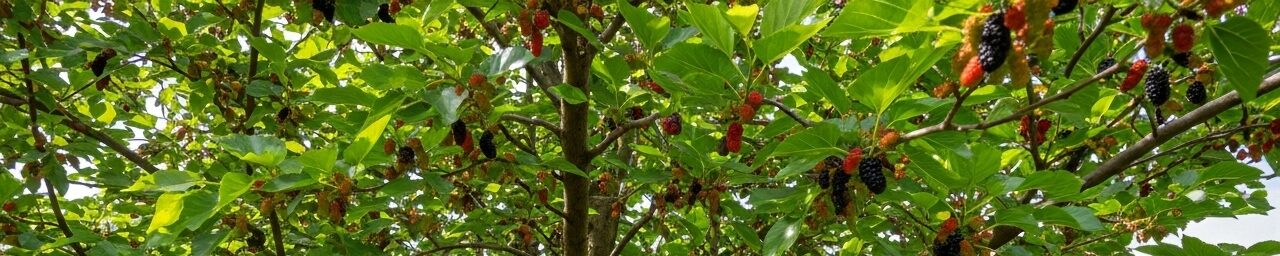
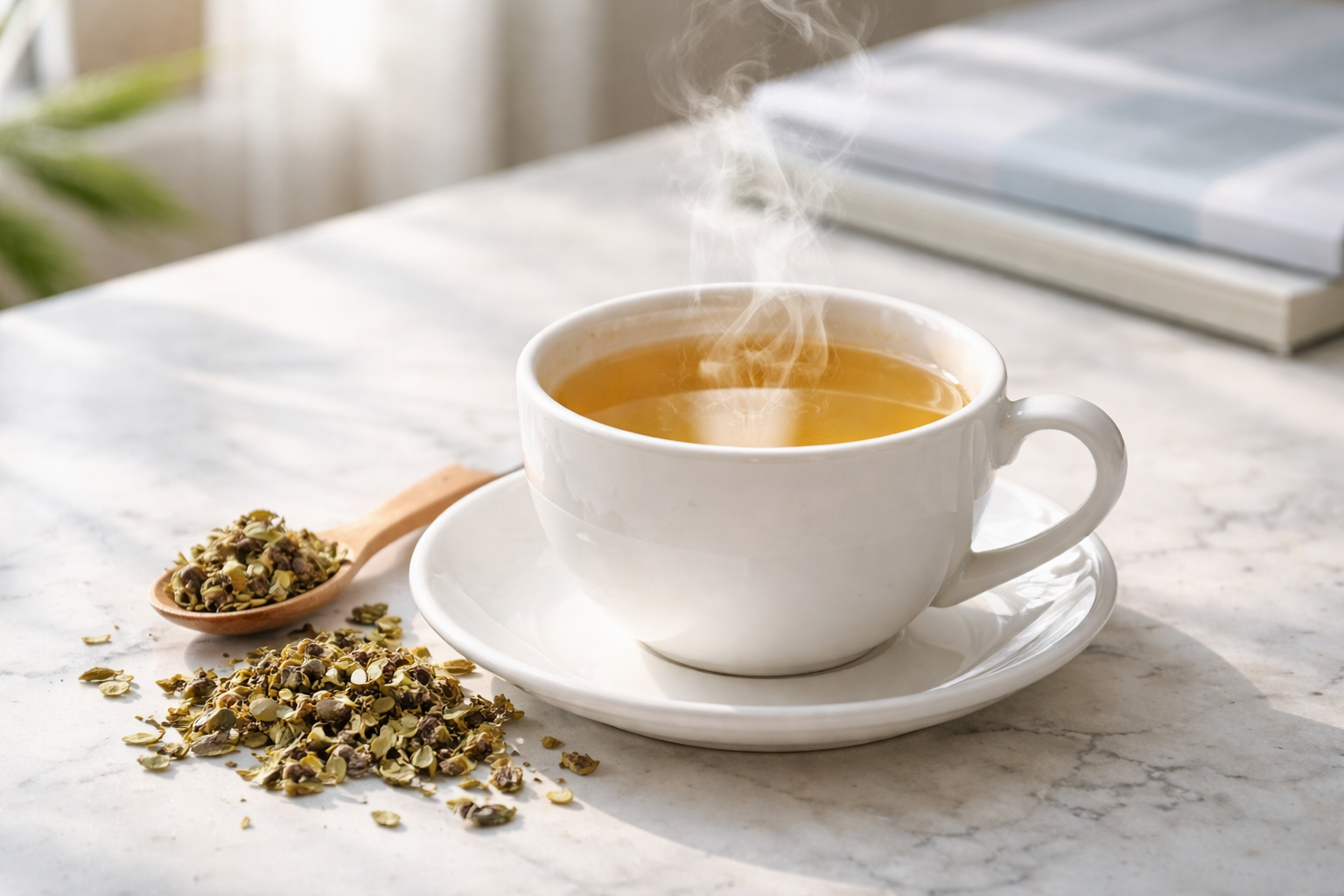
I have been growing mulberry trees for years, and for most of that time I treated the leaves as an afterthought — something the tree produced in abundance that I composted or ignored while focusing on the fruit. That changed when I started researching traditional uses of Morus alba and discovered that mulberry leaves have been brewed as a medicinal tea across East Asia for centuries, long before anyone thought to eat the berries. The more I dug into the actual peer-reviewed research, the more I realized that mulberry leaf tea benefits are not just folklore — there is a growing body of clinical evidence behind several of them. This post is my attempt to put everything I have learned into one honest, comprehensive guide so you can decide for yourself whether mulberry leaf tea deserves a place in your daily routine.
This post contains affiliate links. As an Amazon Associate I earn from qualifying purchases at no extra cost to you.
Before diving into the individual benefits, it is worth stepping back and appreciating just how wide-ranging the mulberry leaf tea health benefits really are. From blood sugar regulation to antioxidant protection to heart health support, the research covers an impressive range of body systems — which is part of why this tea has remained a staple in traditional East Asian medicine for so long. And when you look at the full picture of mulberry leaves tea benefits, it becomes clear that this is not a one-trick herb but a genuinely versatile addition to a health-conscious lifestyle. The benefits of mulberry leaf tea extend across nearly every major system in your body, which is why I keep coming back to this brew season after season.
1. Blood Sugar Regulation: The Most Studied Benefit
This is the benefit with the strongest scientific backing, and it is the one that got me personally interested in mulberry leaf tea. The key compound is 1-deoxynojirimycin (DNJ), a naturally occurring alkaloid in mulberry leaves that acts as an alpha-glucosidase inhibitor. In practical terms, DNJ slows down the enzymes that convert carbohydrates into glucose in your digestive tract, which means gentler, more gradual blood sugar rises after meals instead of sharp spikes.
A 2015 clinical trial published in BMC Complementary Medicine found that patients with type 2 diabetes who drank mulberry leaf tea experienced a 27% reduction in post-meal blood glucose spikes. A 2016 randomized, placebo-controlled study in the Journal of Functional Foods confirmed similar effects even in healthy adults. This is not marginal — it is the same mechanism used by some prescription diabetes medications. I wrote a detailed breakdown of all the clinical studies in my post on mulberry tea and blood sugar.
2. Weight Management Support
The blood sugar connection has a downstream effect on weight management that researchers are starting to take seriously. When your blood sugar stays more stable after meals, your body produces less insulin, and lower insulin levels mean your body is less likely to store excess glucose as fat. Several animal studies have shown that mulberry leaf extract reduces fat accumulation, and early human trials suggest that regular consumption may support modest improvements in body composition when combined with a healthy diet.
I want to be clear: mulberry leaf tea is not a weight loss miracle. No tea is. But the metabolic mechanism is sound, and if you are already working on your nutrition, adding a cup before meals may give you a small additional edge. I covered the specific research in more detail in my post on mulberry tea for weight loss.
3. Cholesterol and Heart Health
Multiple studies have found that compounds in mulberry leaves can help reduce LDL cholesterol (the kind associated with cardiovascular risk) and triglycerides. A 2013 study published in BioMed Research International showed that mulberry leaf extract significantly improved lipid profiles in participants with elevated cholesterol. The flavonoids and polyphenols in mulberry leaves appear to inhibit cholesterol oxidation, which is a key step in the development of arterial plaque.
For anyone already monitoring their heart health through diet and lifestyle, mulberry leaf tea fits naturally into that approach. It is caffeine-free, pleasant to drink, and the lipid-related research is genuinely encouraging. I explored this topic in depth in my post on mulberry tea for cholesterol.
4. Rich in Antioxidants
Mulberry leaves contain a concentrated mix of antioxidants including quercetin, kaempferol, chlorogenic acid, and rutin. These compounds neutralize free radicals — unstable molecules that contribute to cellular damage, inflammation, and aging. Research published in the Journal of Agricultural and Food Chemistry found that mulberry leaf extracts demonstrated antioxidant activity comparable to or exceeding that of many commonly consumed teas.
What makes this particularly interesting for growers like me is that the antioxidant content of mulberry leaves varies depending on when you harvest them. Younger leaves picked in spring tend to have higher concentrations of these beneficial compounds. If you are drying your own leaves for tea, timing your harvest matters — and it is one of the advantages of growing your own mulberry tree rather than relying solely on store-bought products.
5. Anti-Inflammatory Properties
Chronic low-grade inflammation is increasingly recognized as a driver behind many common health problems, from joint pain to metabolic syndrome. Several studies have demonstrated that mulberry leaf compounds, particularly DNJ and the flavonoid group, exhibit measurable anti-inflammatory effects by inhibiting pro-inflammatory cytokines like TNF-alpha and IL-6. A 2019 study in Frontiers in Pharmacology confirmed these effects in both cell culture and animal models.
I notice the difference personally on days when I drink mulberry tea consistently versus weeks when I fall off the habit. That is purely anecdotal, of course, but the laboratory evidence supporting the anti-inflammatory mechanism is solid and well-documented.
6. Liver Health Support
The liver is your body’s primary detoxification organ, and it takes a beating from processed foods, alcohol, and environmental toxins. Research has shown that mulberry leaf extract can help protect liver cells from oxidative damage and may support healthier liver enzyme levels. A study published in the Journal of Ethnopharmacology found that mulberry leaf compounds reduced markers of liver stress in subjects with fatty liver conditions. This is still an emerging area of research, but the hepatoprotective properties of mulberry leaves are one of the traditional uses that modern science appears to be validating.
7. Skin and Hair Benefits
The antioxidant and anti-inflammatory properties of mulberry leaves extend to skin health as well. The quercetin and rutin in mulberry tea may help protect skin cells from UV damage and reduce the appearance of age spots by inhibiting tyrosinase, the enzyme responsible for melanin production. Some traditional preparations use mulberry leaf poultices or rinses topically, though most of the modern research focuses on oral consumption through tea or supplements.
For hair health, the improved circulation and antioxidant protection that come with regular mulberry tea consumption may support healthier hair growth cycles. This is one of the less-studied benefit areas, so I want to be honest that the evidence here is more preliminary than the blood sugar or cholesterol research.
8. Immune System Support
Mulberry leaves contain meaningful amounts of vitamins C and A, along with zinc and iron — all of which play roles in immune function. The polyphenols in mulberry tea also appear to have mild antimicrobial properties. While I would never suggest mulberry tea as a replacement for proper medical care, including it as part of a nutrient-rich diet makes nutritional sense, especially during cold and flu season when every bit of immune support helps.
How to Brew Mulberry Leaf Tea for Maximum Benefits
To get the full range of mulberry leaf tea benefits, preparation matters as much as the leaves themselves. Getting the most out of your mulberry leaf tea comes down to three factors: water temperature, steeping time, and leaf quality. Use water just below boiling — around 190 to 200 degrees Fahrenheit. Steep for 5 to 8 minutes to extract the full range of beneficial compounds, especially the DNJ that drives the blood sugar benefits. Longer steeping extracts more, but past 10 minutes you may get a bitter edge.
If you are using dried leaves from your own tree, crush them lightly before steeping to increase the surface area. For dosage, most research studies used the equivalent of 2 to 3 cups per day, ideally consumed 15 to 30 minutes before meals to maximize the blood sugar modulation effect. I covered brewing methods in detail in my post on loose leaf vs tea bags, and dosage specifics in my complete dosage guide.
If you want a convenient, high-quality option that makes it easy to stay consistent with your daily cups, I have been genuinely impressed by FreshDrinkUS Premium 75 Mulberry Leaf Tea Bags, 100% Natural & Pure. Loose Leaf Herbal Tea. Made with Natural Material Tea Bags. No Sugar, No Caffeine, No Gluten, Vegan. The natural material tea bags do a nice job of allowing full extraction without any of the papery taste you sometimes get with lower-quality bags, and the 75-count size means you can commit to a proper multi-week trial without running out. For anyone who wants the benefits of loose leaf quality in a convenient bag format, this is a strong option worth keeping on hand.
Side Effects and Safety Considerations
Mulberry leaf tea is generally considered safe for most adults, but there are a few things worth knowing. Because it actively lowers blood sugar, people who are already on diabetes medication should consult their doctor before adding it — the combined effect could cause hypoglycemia. Some people experience mild digestive discomfort when first starting, which typically resolves within a few days. Pregnant and breastfeeding women should also check with their healthcare provider, as the safety data for those populations is limited. I wrote a thorough breakdown in my post on mulberry tea side effects and a specific deep dive on mulberry tea safety during pregnancy.
The Best Mulberry Leaf Tea Products I Recommend
After trying many different brands over the past few years, these are the products I keep coming back to. Quality matters with mulberry leaf tea because the DNJ content varies significantly between products.
- FullChea USDA Organic White Mulberry Tea — My everyday go-to. USDA certified organic, mild and pleasant flavor, and consistently high quality. This is what I recommend to anyone just getting started with mulberry leaf tea.
- TooGet Natural Mulberry Leaf Loose Tea — If you prefer loose leaf brewing (and I often do for the fresher aroma), this is an excellent option with great value for the quantity you get.
- Bravo Tea Absolute White Mulberry Leaf Tea Bags — The most convenient option for busy days or keeping at your desk. Good quality for a bagged tea and the flavor is clean and smooth.
- Organic Mulberry Leaf Extract Capsules — For days when you want the benefits without brewing a cup. These are standardized for DNJ content, which means more consistent dosing than tea alone.
- Temperature-Controlled Electric Kettle — Getting the water temperature right (190-200F) makes a real difference in extraction. A variable-temperature kettle takes the guesswork out entirely.
For a detailed comparison of more options, check out my ranked review of the best mulberry tea brands.
The Bottom Line on Mulberry Leaf Tea Benefits
After spending months reading clinical studies and years growing and brewing from my own trees, here is my honest assessment: mulberry leaf tea is one of the most genuinely evidence-supported herbal teas available today. The blood sugar research alone would make it worth trying, but when you add the cholesterol benefits, the antioxidant profile, and the anti-inflammatory properties, it starts to look like one of the most underrated daily health habits you could adopt.
Is it a cure for anything? No. Should it replace medical advice or prescribed medication? Absolutely not. But as a pleasant, caffeine-free tea with real clinical evidence behind multiple health benefits, mulberry leaf tea has earned its permanent place in my kitchen — and I think it deserves a place in yours too. If you are growing mulberry trees already, you are sitting on a supply of one of the most beneficial herbal teas in the world, and you might not even know it yet.