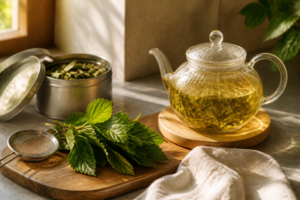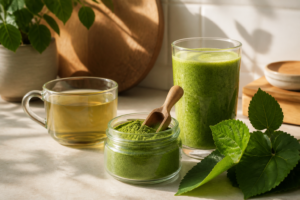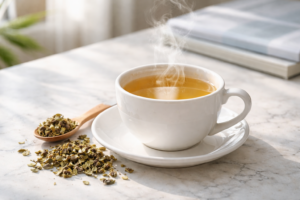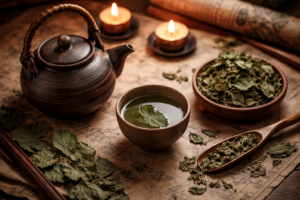
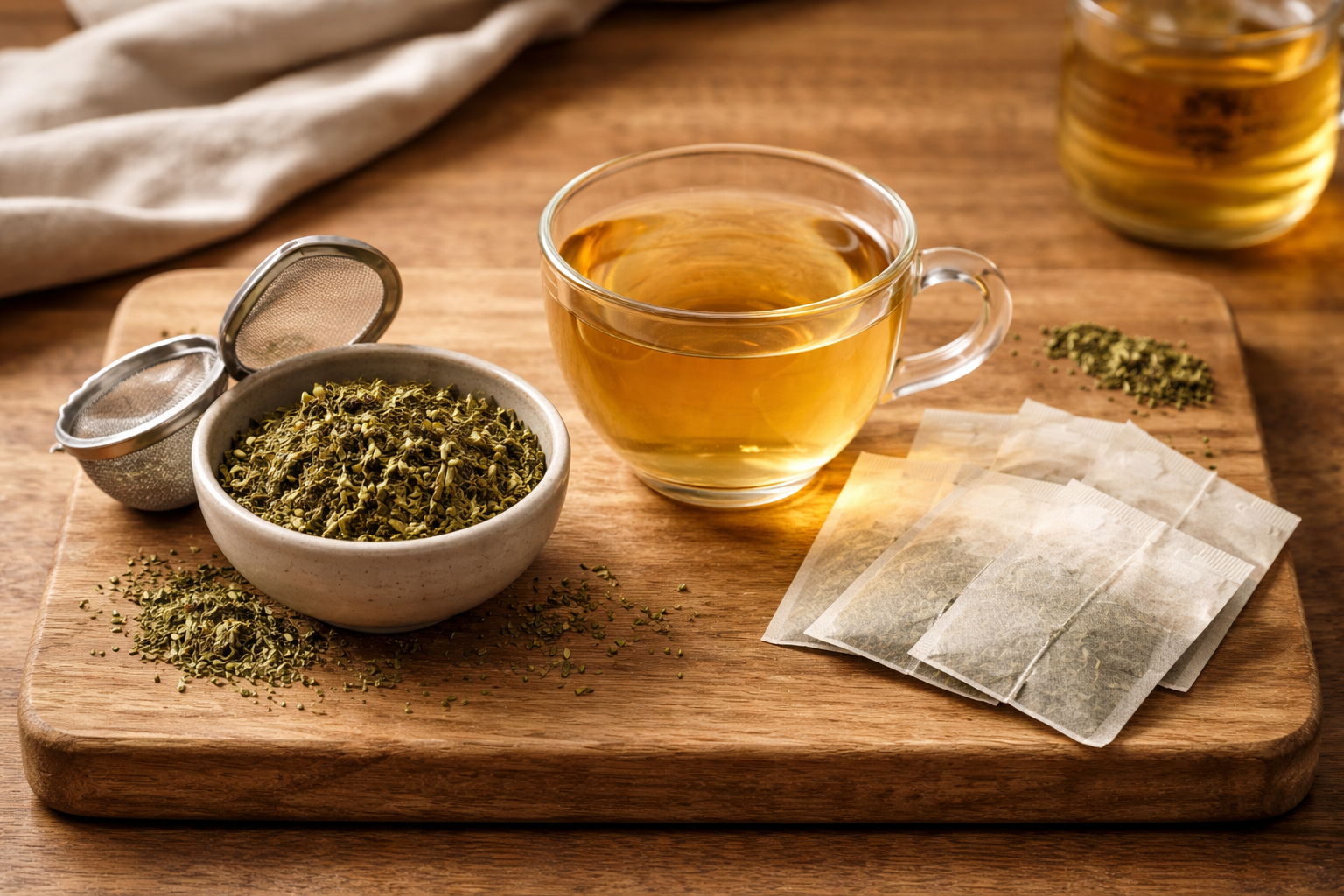
Mulberry leaves offer surprising versatility for brewing tea—as soon as a tree has enough growth to support harvesting without compromising vigor, the leaves can be preserved dried for infusions. Working with homegrown mulberry foliage opens up questions about what separates a genuinely satisfying infusion from something dull and one-dimensional. The choice between loose leaf and tea bags might seem like a small detail, but once you’ve processed your own dried leaves, getting the steeping method right feels genuinely important — and after working through the possibilities, a thoughtful approach to brewing honors what this plant actually brings to the table.
That disappointing brew led me down a half-year exploration pitting loose mulberry leaf tea against conventional bags across virtually every measurable dimension. Taste profile, practicality, financial impact, leaf integrity, aging resilience — I ran comparisons on all of it. My household endured my obsession with patience I probably didn’t deserve. I accumulated brewing apparatus across multiple drawers. I documented observations like someone possessed by curiosity. And truthfully? I’d repeat the entire experiment without hesitation, because the conclusions actually shifted how I experience my regular cup.
| Dimension | Loose Leaf | Tea Bags |
|---|---|---|
| Taste Profile | Richer, more nuanced extraction with grassy undertones and herbal brightness | Thin or slightly harsh finish; contains fannings that compress quickly |
| Practicality | Requires portion calculation, infuser, monitoring, and cleanup | Place in cup, add hot water, 3 to 5 minutes, finished |
| Financial Efficiency | Superior value per serving over weeks and months | Higher cost per cup with daily use |
| Leaf Integrity | Full or substantially-cut leaves; maintains structure across multiple steeps | Often contains fragmented pieces and fine particles |
| Multiple Steeps | Same leaves steep 2 to 3 times without diminishing returns | Not possible; fannings steep out quickly |
| Storage Life | Maintained in sealed containers; volatile compounds diminish noticeably over a month or two if improperly stored | Packaged in plastic bags inside cardboard boxes |
Why Mulberry Tea Is Worth Brewing Right
Before diving into which brewing approach wins out, I want to acknowledge something: you’re consuming mulberry tea in the first place, and that deserves recognition. Mulberry leaves carry a long history in traditional wellness systems across many cultures, and that reputation exists for genuine reasons. The flavor profile is understated and herbaceous, with a quiet natural sweetness that makes it genuinely pleasant to sip — not medicine you’re forcing yourself to tolerate because somebody said it would help you.
Here’s what matters, though: the way you prepare mulberry tea produces measurable effects on what actually reaches your palate. Leaf structure matters. The infusion approach makes a difference. Water heat plays a role — it all compounds. So if you’re building this into a regular routine (and honestly, I’d encourage you to), taking a few moments to land on the brewing method that fits your situation is genuinely worth the consideration.
Unpacking Loose Leaf Against Tea Bags: What My Testing Revealed
All right, let me walk you through what my half-year deep dive uncovered about the actual distinctions between loose leaf mulberry tea and the bagged alternative.
Taste Profile and Depth
Loose leaf pulls ahead decisively here. Whole leaf material has significantly more exposed area when water flows through it, producing a richer and more nuanced extraction. You experience the grassy undertones, the quiet sweetness, and occasionally even a delicate herbal brightness—dimensions I’d completely missed when brewing from bags.
Bagged versions, by contrast, frequently contain what’s technically called “fannings”—the fragmented pieces and fine particles that remain after larger leaf material gets sorted out. These compress and steep quickly, sometimes producing a thin or even slightly harsh finish if steeping runs long. Which happens to me regularly, if I’m being transparent.
Practicality and Time Investment
Tea bags dominate on this front without argument. Place one in a cup, introduce hot water, count three to five minutes, you’re finished. There’s zero arithmetic involved, no mesh apparatus needing a rinse afterward, and stray leaf fragments never end up floating in your beverage. On days when I’m scrambling and barely keeping my thoughts organized, that streamlined experience genuinely matters.
Loose leaf demands more ceremony: calculating your portion size, filling an infuser device, monitoring your timing, managing a damp infuser at cleanup. I’ve developed genuine affection for that meditative process, but I won’t misrepresent—it’s objectively more demanding than the bag approach.
Financial Efficiency
Loose leaf typically delivers superior value when you track spending over weeks and months. A pound of quality loose mulberry leaf material brews considerably more servings per dollar compared to a comparable box of individual tea bags. When you’re becoming someone who drinks this daily—which, once the habit sets in, you genuinely will—those savings become substantial.
Leaf Integrity and Storage Life
Loose leaf typically maintains higher quality standards overall. You’re looking at something real: full or substantially-cut leaves exhibiting visible signs they originated from a plant. Bagged tea operates in murkier territory. Certain manufacturers maintain respectable standards; others prioritize different goals, and the filter material or bag construction can occasionally nudge the flavor in unanticipated directions.
Why Loose Leaf Became My Standard After My Trees Started Producing
The moment my mulberry tree reached a size where I could harvest leaves responsibly without stressing the plant, bagged tea suddenly felt wasteful. Loose leaf preserves the integrity of leaf material and puts you in command of extraction intensity—which matters substantially when you’ve spent time nurturing the plant or sourcing premium dried mulberry.
Where it excels
- Leaves retain their structure and resist fragmenting into powder particles like happens inside bags, meaning you capture the complete flavor spectrum and can steep the same leaves a second or even third time without diminishing returns.
- You’re looking at genuine leaf material—no obscure fannings or unidentified additives stuffed inside sealed packaging, which becomes significant if you have particular standards about source and ingredient transparency.
- Water penetrates the leaves more uniformly and thoroughly, which compresses your steeping window and leaves less margin for error in timing.
Where it requires adjustment
- You’ll want a mesh infuser or sieve—an extra component in the brewing workflow, and washing it afterward demands marginally more attention than simply tossing away a spent bag.
- Loose material demands more room in your cabinets than compressed bags, and when you’re managing your own dried mulberry leaf stock the way I do, storing everything in sealed containers becomes essential or the volatile compounds diminish noticeably over a month or two.
I almost gave up on loose leaf after my first batch came through too dusty and bitter, but that was user error on storage—kept in a proper container, it’s been the better choice every time since. If you’re serious about mulberry tea, start with TooGet Natural Mulberry Leaf Loose Tea to compare quality against whatever you’re using now.
Head-to-Head: Bravo Tea Bags vs. TooGet Loose Leaf, Side by Side
I wanted to go beyond my own home-harvested leaves and put two widely available commercial products through a direct comparison—brewing them side by side over several weeks and documenting what each cup actually delivered. The two contenders I kept encountering in research were Bravo Tea (bags) and TooGet (loose leaf). Here’s what that testing revealed.
Bravo Tea Mulberry Leaf Bags: What Worked and What Didn’t
I brewed through a full box of Bravo Tea Absolute White Mulberry Leaf Herbal Tea Caffeine Free, 20 Tea Bags before forming any conclusions. The appeal was obvious: individual bags mean zero prep time, perfect portion control, and no equipment beyond a mug and hot water.
- Leaf fragments stayed intact throughout the bags—no fine dust accumulating at the bottom, which suggests careful handling and storage rather than rough processing or moisture damage.
- Infusion happened predictably each time I brewed; five minutes in hot water delivered balanced flavor without veering into bitter territory, meaning I could set a timer and trust the results.
- The taste registered as genuine dried mulberry leaf—no synthetic notes lurking underneath, no mystery flavors trying to mask what’s actually in the bag. That’s a rarer find than most shoppers realize.
Where Bravo falls short: packaging layered plastic bags inside cardboard boxes—excessive for someone who grows fruit trees instead of buying from supermarkets. Cost per cup also escalates with daily use, and every bag locks you into a fixed leaf quantity with no room to adjust brew intensity based on your preference.
TooGet Loose Leaf in the Same Test: What Worked and What Didn’t
Once I’d cycled through the Bravo supply, I transitioned to TooGet’s loose leaf format—which arrived in a resealable pouch. That single detail signaled something different about how the company thought about freshness.
- Per-serving economics shift dramatically in loose leaf’s favor—you pay less overall and use only the amount your cup actually requires.
- Leaf size and visible structure make quality assessment obvious before water even touches them: large, intact pieces, no fine powder coating the bottom.
- Customizing brew intensity becomes straightforward. Two grams produces a delicate cup; four grams gives you something richer. That latitude matters when you’re drinking tea for functional purposes rather than casual enjoyment.
- The resealable pouch maintained leaf freshness across months of opening and closing—leaves from the first week tasted essentially identical to those from week eight.
The trade-offs are real: you’ll need a strainer or infuser, portability shrinks considerably compared to a pocket-sized bag, and total time investment is higher even though the steeping itself is actually quicker due to increased leaf surface area.
The Verdict From That Side-by-Side
I almost gave up on tea bags entirely after earlier brands disappointed me with brown dust instead of actual leaves, but Bravo genuinely changed my mind about what a bag product can be. In practice, I’ve landed on a split strategy: Bravo bags carry me through weekday mornings and office hours, while I reserve TooGet loose leaf for unhurried weekend afternoons at home. That combination captures the convenience I need on hectic days while honoring the economics and quality I prefer when time isn’t a limiting factor.
The Equipment Variable: Why Your Kettle Might Be Ruining Your Cup
Water heat plays a role — it all compounds. I mentioned that earlier, and I want to give it the full treatment it deserves, because this was the single biggest revelation from my testing period. I spent years wrestling with batches that ranged from silky and herbaceous to painfully bitter, blaming my drying technique, my storage containers, my infuser — everything except the obvious culprit: my kettle’s one-note approach of maximum temperature, always.
Mulberry leaves demand restraint when it comes to heat. Boiling water is their enemy in a way that doesn’t apply to conventional black tea. Once I stopped accepting that as normal and started looking at precise temperature control, the cups improved immediately and consistently.
What the Chefman Variable Temperature Kettle Actually Changed
The Chefman Electric Kettle with Temperature Control, 5 Presets LED Indicator Lights, Removable Tea Infuser, Glass Tea Kettle & Hot Water Boiler, 360° Swivel Base, BPA Free, Stainless Steel, 1.8 Liters is designed to simplify kettle selection. The preset buttons are helpful for maintaining consistent brewing temperatures, and the removable infuser offers convenience for loose-leaf brewing. Temperature control is worth prioritizing for mulberry tea, where precision matters more than with conventional black tea.
- Maintaining 160–170°F via preset controls helps mulberry leaves unfurl gently and release their subtle, clean flavor instead of developing a scorched, metallic edge that occurs with boiling water.
- The built-in infuser basket eliminates the mess of dealing with loose leaf material, cheesecloth bundles, or separate strainers when I’m working with my own fresh or dried harvest.
- At 1.8 liters, I can steep enough leaves to cover several days’ worth of tea when I’m in harvest season, which lets me capture the flavor while the leaves are at their peak rather than watching it degrade with time.
Trade-offs to consider: the blue LED display is bright, which may feel intrusive if you brew tea in dim lighting or after sunset, with no adjustment option available. Mineral buildup from tap water can accumulate on the glass interior, typically requiring descaling every 2–3 weeks to maintain clarity, which represents more frequent maintenance than many standard kettles demand.
Frequently Asked Questions
What water temperature works best for mulberry leaf tea?
For mulberry leaf tea, aim for 160–170°F rather than boiling water. Boiling water can scorch mulberry leaves in a way that doesn’t apply to conventional black tea, creating a bitter, metallic edge. At the lower heat the leaves unfurl gently and release clean, subtle flavor.
How much loose mulberry leaf should I use per cup?
With the TooGet loose leaf I tested, 2 grams produces a delicate cup and 4 grams gives me something richer. Being able to dial that in is one of loose leaf’s real advantages, since every tea bag locks you into a fixed leaf quantity with no room to adjust brew intensity to your preference.
Can you steep mulberry leaves more than once?
Yes, if you’re using loose leaf. Because whole leaves keep their structure instead of fragmenting into powder, I can steep the same leaves a second or even third time without diminishing returns, which the bags never let me do. Bagged tea often contains fannings, the fragments and fine particles that compress and steep out quickly.
How should I store dried mulberry leaves for tea?
Sealed containers are essential. When I’m managing my own dried mulberry leaf stock, the volatile compounds diminish noticeably over a month or two if the leaves aren’t stored properly. I nearly gave up on loose leaf after my first batch came through dusty and bitter, but that was user error on storage, not the format itself.
Keep Reading
About This Article

Written by Ruth Nakamura. Ruth Nakamura is a backyard orchardist in the Pacific Northwest who has grown mulberries for fifteen years, cultivating twelve different varieties in her own backyard. Not a horticulturist by formal training - she shares what she has learned through hands-on growing, workshops, and connecting with nurseries and growers across the country. More about this site.
Scope and limits. Ruth is a backyard orchardist without formal horticultural training. Growing conditions vary enormously by region, so confirm variety, timing, and pest guidance with your local extension service.
Verify this against a primary source
Specifics change, and your situation may differ from the one described here. These are the authorities worth checking directly:
- USDA Plant Hardiness Zone Map — zone verification for your location
- Oregon State University Extension — fruit growing and pruning research
- USDA PLANTS Database — species range and identification