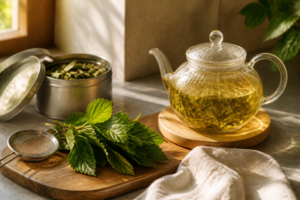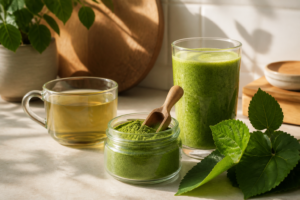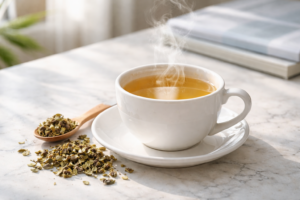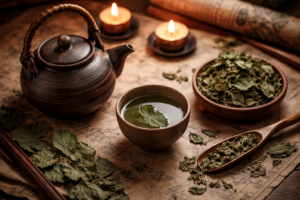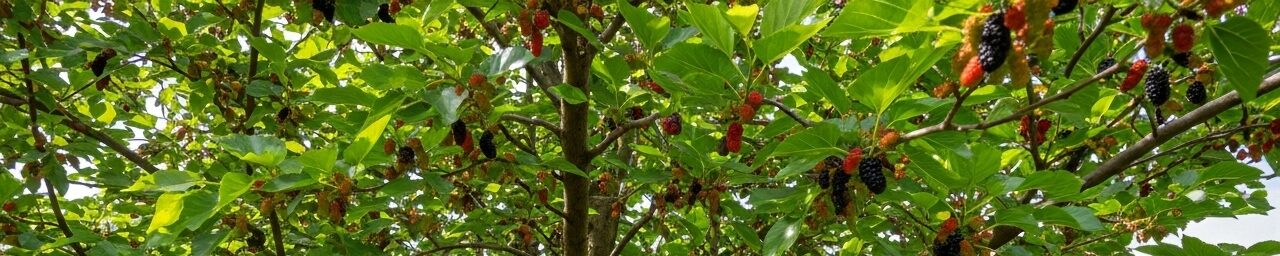
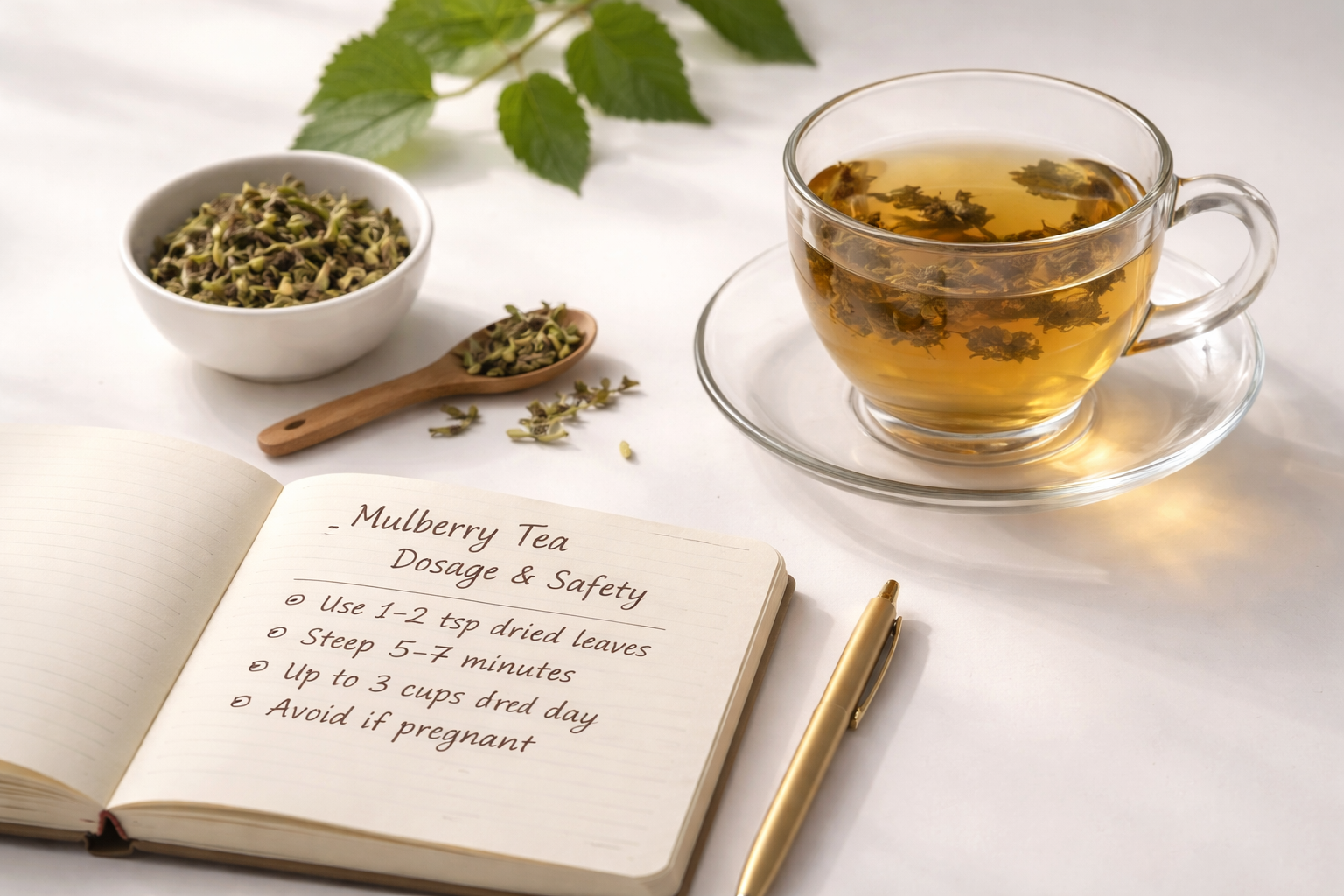
Mulberry leaf tea is a beverage worth exploring for its flavor and potential benefits, but it comes with its own set of considerations. Popular cultivars like Black Beauty, Chinook, Illini Star, and Ozark Premier each have distinct characteristics, and mulberry growing attracts enthusiasts across many regions. Today, I’d like to share some practical insights into mulberry leaf tea—what it is, how to use it safely, and what the research actually shows about its effects.
Critical Mulberry Leaf Tea Warnings
First things first—let’s talk about safety. If you’re on medications for blood sugar control or using insulin, be cautious with mulberry leaf tea. It can intensify the effects of those medications, potentially leading to dangerously low blood sugar levels. If you’re pregnant or nursing, it’s best to have a chat with your healthcare provider as there just isn’t enough research on the subject to give a confident recommendation. And if you’re scheduled for surgery within the next 14 days, it’s wise to avoid the tea until you’ve fully healed. Always better to be safe than sorry!
What often surprises me is how discussions about mulberry tea tend to swing wildly between two extremes: unqualified enthusiasm for its benefits or vague warnings that leave you scratching your head. My goal is to give you a grounded perspective based on my own experience—what truly matters before you start sipping on mulberry tea regularly. The good news? For most folks in good health, mulberry leaf tea is quite forgiving.
Actual Side Effects Most People Will Experience
Let me share my own experience, as it might resonate with those new to drinking this tea. When I first started, I went all-in and brewed two big mugs of tea using concentrated steeping from freshly dried leaves. Let’s just say my stomach was not thrilled about it! The discomfort kicked in pretty quickly, but once I dialed it back to one properly steeped cup taken with a meal, everything smoothed out. It’s a good reminder that moderation is key—start small, gradually increase, and always have it with food.
Research backs this up too. Studies show that when enjoyed in everyday doses, mulberry leaf tea is generally safe for most adults. Minor digestive issues can occur, but they often revolve around overconsumption. I’ve found that aligning my intake with meals makes a world of difference. It’s a gentle plant, and when treated with respect, it can be a wonderful addition to your routine.
Blood Sugar Impact: Worth Your Attention If Medications Are Involved
If you or someone in your household is on medications to manage blood sugar, pay extra attention here. Mulberry leaves contain specific alkaloids, particularly 1-deoxynojirimycin (DNJ), that slow glucose absorption during digestion. This is precisely why many people seek out mulberry tea! However, this means that if you’re combining it with diabetes medications like metformin or insulin, you could unintentionally lower your blood sugar too much. This isn’t a reason to avoid the tea—rather, it’s a call for open communication with your healthcare provider. They might suggest more frequent blood sugar checks when you start consuming it regularly.
If you’re not managing blood sugar issues, the glucose-moderating effects of the tea are usually subtle and not problematic at typical drinking levels. But being informed is the first step toward safe enjoyment!
Allergy Risk and Groups That Need More Caution
Cross-Reactivity With Figs and Latex
This is a crucial point that often catches people off guard. Mulberries are part of the Moraceae family, which includes figs. If you’ve had any allergic reactions to figs or have a latex allergy, it’s a good idea to consult your allergist before trying mulberry tea. Allergies can be tricky, and while allergic responses to mulberries aren’t super common, they can happen. Always start with a small amount and watch for any unusual signs—tingling, swelling, or digestive issues.
Pregnancy and Nursing
If you’re expecting or nursing, please discuss this with your care provider. The truth is, there isn’t enough solid research on the safety of mulberry tea for pregnant or nursing individuals. It’s not that it’s definitively unsafe; it’s just that we’re lacking comprehensive information. Your healthcare team can help you navigate this based on your specific situation and needs.
Sourcing Mulberry Leaf Tea — When You’ve Grown It Yourself Versus Buying It
When I started brewing tea from the leaves of my own trees, I felt a special connection to the process. But as time went on, I realized that the stakes are different when you’re consuming something grown in your own yard. I learned this the hard way when I had to toss an entire batch because it got contaminated with aphid spray drift. So, while I love the idea of homegrown tea, I began leaning towards commercial options for consistency and safety.
The advantages of commercial tea
- Commercial products ensure standardized leaf selection, giving you reliable steeping results each time.
- They provide testing data on the label, confirming the absence of heavy metals, fungal contamination, or chemical residues.
- The flavor remains fresh and vibrant, avoiding any stale undertones that might develop with homemade dried leaves.
The drawbacks of store-bought
- The cost per cup can add up significantly compared to what you can harvest from your own trees.
- You lose some control over the journey of your leaves—like which tree they came from and how they were processed.
Initially, I hesitated to buy commercial tea because it felt like I was giving up something I could produce myself. However, after that unfortunate aphid spray incident, I totally understood the value of sourcing from trusted brands. I now often reach for Bravo Tea Absolute White Mulberry Leaf Tea Bags when I want a reliable brew without the worry.
Sources and Citations
The health claims discussed on this page come from published research. Every study below has been checked against its PubMed or PubMed Central record, and each entry links to the source so you can read it yourself.
- Yasumoto K et al. (2022) — “Safety evaluation of a beverage containing mulberry leaf extract.” Biosci Biotechnol Biochem, 86(4), 519-527. (randomised controlled trial) PubMed 35089999 →
Randomised, double-blind, placebo-controlled safety trial: 48 healthy adults drank a green tea containing 550 mg of mulberry leaf extract three times a day for 4 weeks. No adverse reactions occurred and there was no difference in adverse events versus the control beverage. - Li Y et al. (2018) — “Safety evaluation of mulberry leaf extract: Acute, subacute toxicity and genotoxicity studies.” Regul Toxicol Pharmacol, 95, 220-226. PubMed 29530616 →
Animal toxicology, not a human trial. Rats tolerated a single 15 g/kg dose with no deaths and 7.5 g/kg daily with no adverse findings, and the extract showed no mutagenic activity. Included because it is the source of most published safety margins for mulberry leaf extract. - Shinkawa Y et al. (2025) — “Evaluation of the Postprandial-Hyperglycemia-Suppressing Effects and Safety of Short-Term Intake of Mulberry Leaf and Water Chestnut Tea: A Randomized Double-Blind Placebo-Controlled Crossover Trial.” Nutrients, 17(14). (randomised controlled trial) PMC12300009 →
Randomised, double-blind, placebo-controlled crossover trial in 31 people, using continuous glucose monitoring across two-week periods. Glucose variability fell, with no hypoglycaemia and no change in liver, kidney or inflammatory markers. The tea tested was a mulberry and water chestnut blend, not mulberry alone.
Note: study results are not guaranteed for individual users. Dose, preparation method, and individual physiology all affect outcomes, and most of these trials are small. Consult your healthcare provider before making changes to your treatment plan.
Frequently Asked Questions
Should I stop drinking mulberry leaf tea before surgery?
Yes, if you have surgery scheduled within the next 14 days, it is wise to avoid the tea until you have fully healed. Because mulberry leaf affects glucose absorption, pausing consumption around surgery is a sensible precaution—consult your healthcare provider about when it’s safe to resume.
Why does mulberry leaf tea upset my stomach?
Usually it comes down to too much, too fast. When I first started, I brewed two big mugs using concentrated steeping from freshly dried leaves, and my stomach was not thrilled. Once I dialed back to one properly steeped cup taken with a meal, the discomfort disappeared. Minor digestive issues generally revolve around overconsumption.
Is mulberry tea safe if I’m allergic to figs or latex?
Check with your allergist first. Mulberries belong to the Moraceae family, which also includes figs, so cross-reactivity is possible if you react to figs or have a latex allergy. Allergic responses to mulberries are not especially common, but they happen. Start with a small amount and watch for tingling, swelling, or digestive upset.
Is tea from my own mulberry leaves less safe than store-bought?
It can be, because you carry the risk yourself. I had to toss an entire batch after aphid spray drift contaminated it, which pushed me toward commercial tea. Store-bought products offer standardized leaf selection, consistent steeping, and label testing data for heavy metals, fungal contamination, and chemical residues, though the cost per cup adds up.
Keep Reading
About This Article

Written by Ruth Nakamura. Ruth Nakamura is a backyard orchardist in the Pacific Northwest who has grown mulberries for fifteen years, cultivating twelve different varieties in her own backyard. Not a horticulturist by formal training - she shares what she has learned through hands-on growing, workshops, and connecting with nurseries and growers across the country. More about this site.
Scope and limits. Ruth is a backyard orchardist without formal horticultural training. Growing conditions vary enormously by region, so confirm variety, timing, and pest guidance with your local extension service.
Verify this against a primary source
Specifics change, and your situation may differ from the one described here. These are the authorities worth checking directly:
- USDA Plant Hardiness Zone Map — zone verification for your location
- Oregon State University Extension — fruit growing and pruning research
- USDA PLANTS Database — species range and identification