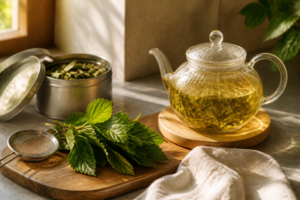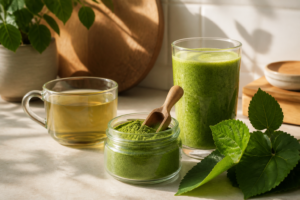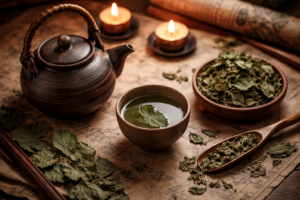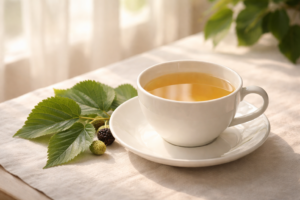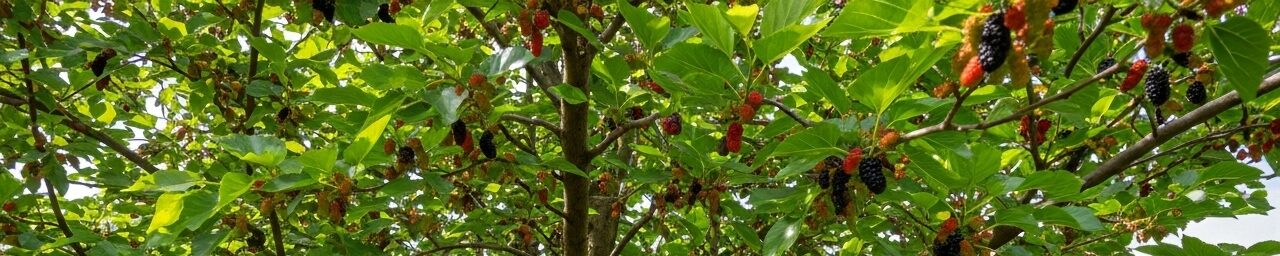
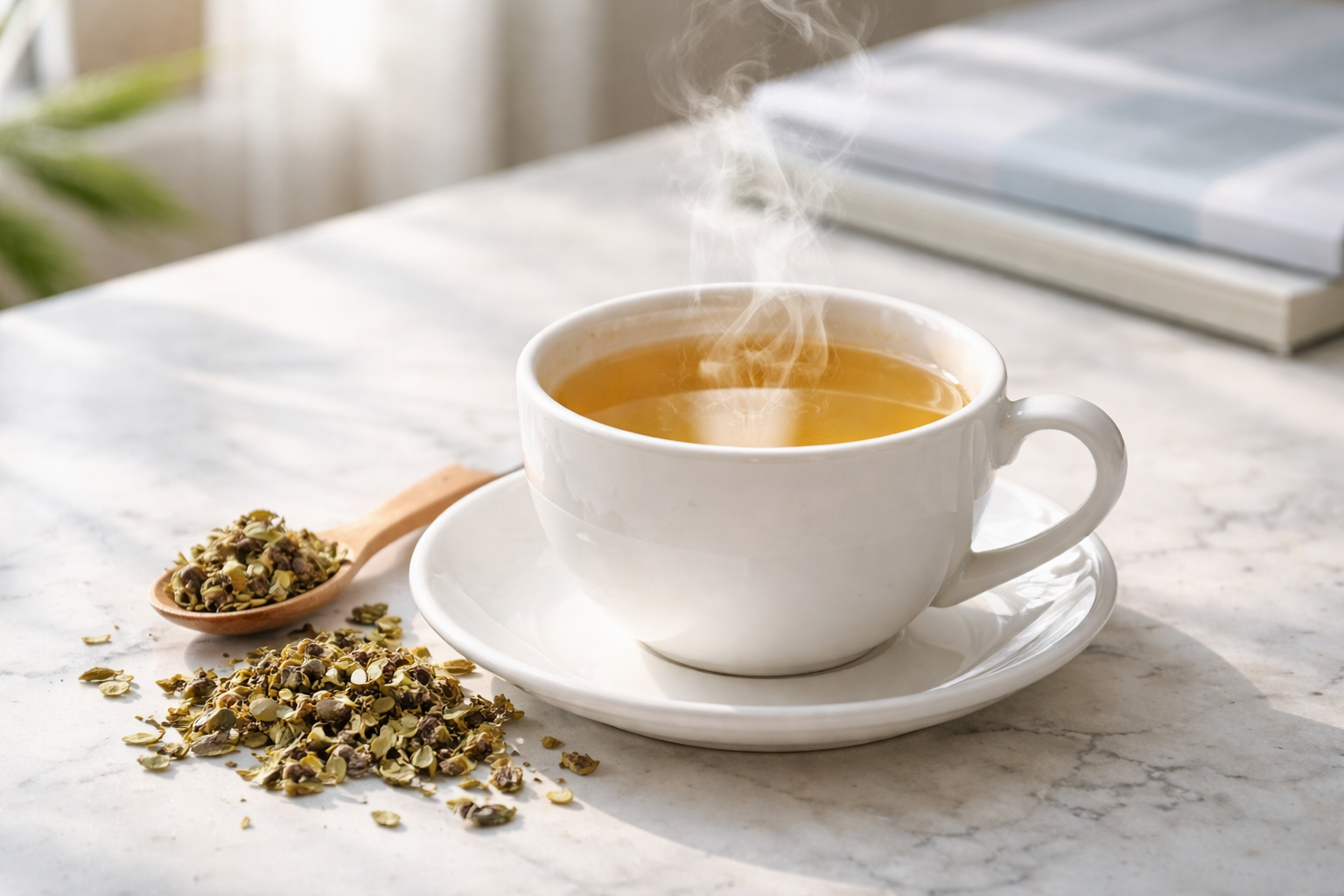
Mulberry foliage is often overlooked in favour of harvesting fruit, yet Morus alba leaves have functioned as a brewed remedy across centuries of East Asian practice, predating any interest in consuming the berries themselves. Peer-reviewed literature reveals that dismissing mulberry leaf tea benefits as folk wisdom misses something important: there is legitimate clinical research validating several major claims. This resource gathers what is known about this topic into a single straightforward guide so you can make an informed choice about whether mulberry leaf tea belongs in your own routine.
Looking at the full spectrum of what mulberry leaf tea can do reveals how truly multifaceted this plant is. The research touches on blood glucose stability, cardiovascular markers, antioxidant defense, metabolic function, and more — a breadth of activity that explains why traditional healers have relied on this leaf for generations. When you examine all the mulberry leaf tea health benefits together, what emerges is not a single narrow application but rather a genuinely multipurpose plant ally worth serious consideration. The benefits of mulberry leaf tea span across numerous bodily systems, which is precisely why I continue to brew it throughout the year without fail.
1. Blood Sugar Regulation: The Most Studied Benefit
This particular advantage has the most convincing scientific foundation, and it is also what drew me to mulberry leaf tea in the first place. At the heart of this effect sits 1-deoxynojirimycin (DNJ), a naturally occurring alkaloid that exists abundantly in mulberry leaves and functions as an alpha-glucosidase inhibitor. Put simply, DNJ interferes with the digestive enzymes that transform carbs into glucose, resulting in steadier absorption and blunted blood sugar elevation rather than the dramatic spikes many people experience post-meal.
Research from 2015 appearing in the Saudi Journal of Biological Sciences tracked diabetes patients drinking mulberry tea and found their post-meal glucose measured approximately 210 mg/dL compared to 287 mg/dL in the control group — representing roughly a 27% reduction in post-meal blood glucose. A subsequent 2016 randomized, placebo-controlled trial published in the Journal of Functional Foods produced equivalent findings even among non-diabetic participants. This magnitude of effect is no trivial shift — it mirrors what some oral diabetes pharmaceuticals accomplish. I compiled an exhaustive exploration of the available clinical evidence in my separate article on mulberry tea and blood sugar.
Testing Mulberry Leaf Extract Capsules for Blood Sugar Support: A 90-Day Personal Diary
Beyond brewing tea, I also ran a structured 90-day trial using a concentrated extract in capsule form — prompted by a routine checkup where my doctor used the word “borderline” and pressed me toward tangible shifts in diet, movement, and targeted supplementation. What follows is the honest account of what unfolded, not medical direction. These are supplements, not pharmaceuticals, and my doctor’s guidance never shifted throughout.
The Capsule Brand That Didn’t Turn to Powder in My Humid Summer Cabinet
Running a three-month trial with any supplement means your containers need to withstand whatever your home throws at them — moisture fluctuations, temperature swings, plain old time. I’d had a previous attempt with a different brand that turned into a solidified brick by week eight, sitting there in my cabinet doing absolutely nothing. This round, I needed capsules that wouldn’t fall apart.
Where it succeeded
- When stored in a cool, dry location with temperatures between 55 and 75 degrees, dried mulberry leaves remain well-preserved across seasonal variation, with no clumping or visible degradation.
- A single 1000mg capsule each morning meant no juggling multiple pills or remembering whether I’d taken my dose already; it folded into my existing breakfast routine without adding friction.
- Two hundred capsules per bottle eliminated the anxiety of running short halfway through my observation window, so I could focus on tracking instead of reordering logistics.
Where it fell short
- Around the six-week mark, I found myself staring at my blood glucose journal wondering if what I was documenting was genuine physiological change or just my brain filling in the pattern it wanted to see — the ambiguity almost convinced me to stop.
- The plant-based capsule shell has an unpleasant tang if you happen to chew instead of swallow, which I learned after one careless morning when I was rushing.
By week six I was genuinely uncertain whether the extract was doing anything measurable, and I nearly abandoned the whole trial. But I pushed through, and the data eventually spoke for itself — order We Like Vitamins White Mulberry 1000mg 200 Vegan Capsules – White Mulberry Leaf Extract Capsules Supplement if you’re ready to run your own test.
2. Weight Management Support
The blood sugar stabilization mechanism carries important implications for body weight regulation that researchers are beginning to examine more closely. Flattened glucose curves mean your pancreas secretes less insulin in response, and suppressed insulin signals tell your cells to avoid depositing excess carbohydrate energy as stored fat. Animal research has shown mulberry leaf compounds reduce adipose tissue accumulation, and preliminary human work indicates consistent use may yield small measurable shifts in body composition when paired with sound eating habits.
I need to state plainly: mulberry leaf tea is not a fat-melting elixir. Nothing of that type exists. Yet the underlying mechanism is scientifically sound, and if you are already working to improve your nutritional patterns, incorporating a cup prior to your main meals could provide modest additional benefit. My separate post on mulberry tea for weight loss digs into that research in greater specificity.
3. Cholesterol and Heart Health
Study after study documents that mulberry leaf phytochemicals help reduce LDL cholesterol (the problematic form linked to heart disease risk) alongside triglycerides. In 2013, BioMed Research International published results showing mulberry leaf extract produced marked improvements to lipid panels in people with high cholesterol readings. The flavonoid and polyphenol families found in mulberry leaves appear to interfere with the oxidative transformation of cholesterol, a crucial early step in plaque formation inside arteries.
Those already keeping watch on their cardiovascular markers through food and activity choices will find mulberry leaf tea slots naturally into that framework. It carries no caffeine, tastes pleasant, and the research on lipid changes is genuinely compelling. I addressed this subject comprehensively in my article covering mulberry tea for cholesterol.
4. Rich in Antioxidants
Mulberry leaves pack a dense concentration of protective compounds — namely quercetin, kaempferol, chlorogenic acid, and rutin. These molecules neutralize free radicals, the rogue atomic fragments that pile up in cells and contribute to tissue breakdown, inflammatory cascade, and the visible signs of aging. The Journal of Agricultural and Food Chemistry published research demonstrating that mulberry leaf extracts deliver antioxidant power that matched or surpassed many standard tea beverages consumed daily worldwide.
Something particularly relevant for those of us actually cultivating these plants: the antioxidant load in mulberry leaves shifts depending on harvest timing. Leaves gathered early in the growing season, before summer heat fully sets in, tend to hold superior concentrations of these shield-like molecules. For growers processing your own material into dried tea, when you pick matters significantly — and this is exactly the kind of edge that owner-cultivators hold over purchasing finished products from a shelf.
5. Anti-Inflammatory Properties
Science increasingly recognizes that simmering, persistent inflammation underpins numerous widespread ailments, from achy joints to insulin resistance to metabolic dysfunction. Mulberry leaf constituents — especially DNJ and the flavonoid compounds — have demonstrated tangible anti-inflammatory capacity in research settings by suppressing the production of inflammatory signaler molecules such as TNF-alpha and IL-6. A 2019 report in Frontiers in Pharmacology confirmed these suppressive effects across laboratory cell studies and in living animal systems.
From my own direct experience, I observe noticeable shifts in how I feel on weeks when mulberry tea becomes a regular habit versus stretches when I slack off — though admittedly that is subjective impression rather than controlled data. What I can point to with confidence is the strength of the published research documenting the anti-inflammatory pathways at work.
6. Liver Health Support
Your liver filters everything — ultra-processed foods, spirits, airborne pollutants, chemical residues — and it wears that burden. Studies show mulberry leaf compounds provide protective effects against oxidative injury to liver tissue and may foster more favorable liver enzyme activity. The Journal of Ethnopharmacology published findings that mulberry leaf components decreased liver inflammation markers in individuals struggling with fatty liver disease. Although research in this domain remains developing, the liver-protective attributes of mulberry leaves represent one of the plant’s traditional uses that contemporary investigation is corroborating.
7. Skin and Hair Benefits
The protective and calming chemistry within mulberry leaves translates to dermatological benefit as well. The quercetin and rutin present in the tea may guard skin tissue from sunlight damage and fade discoloration from age spots by limiting the activity of tyrosinase, the enzyme machinery that produces skin pigment. Some traditional protocols apply mulberry leaf material directly through compresses or washes, though current scientific examination concentrates mainly on ingesting the tea or extract form.
Regarding follicle health, the vascular improvements and cellular safeguarding that consistent mulberry tea consumption offers could strengthen the foundation for robust hair growth patterns. I should note honestly that this remains one of the less thoroughly investigated advantage categories, so evidence here lags considerably behind the research on glucose or lipid management.
8. Immune System Support
Mulberry leaves deliver respectable quantities of ascorbic acid and beta-carotene, supplemented with zinc and iron — elements your body requires for mounting effective immune responses. Additionally, the polyphenol collection in mulberry tea demonstrates modest antimicrobial activity. I would never propose mulberry tea as an alternative to proper medical intervention, but incorporating it within a nutrient-dense eating pattern makes solid biological sense, particularly when cold seasons arrive and any marginal immune boost proves welcome.
How to Brew Mulberry Leaf Tea for Maximum Benefits
Capturing the full range of mulberry leaf tea benefits hinges on how thoughtfully you prepare it. The outcome depends principally on three variables: the temperature of your water, duration in the cup, and the quality of your starting material. Heat water to approximately 190 to 200 degrees Fahrenheit — noticeably warm but shy of a rolling boil. Let the leaves steep for 5 to 8 minutes so that all the active compounds dissolve into your cup, particularly the DNJ that mediates the glucose effects. Push beyond 10 minutes and bitterness starts creeping in, though you will extract more volume of material.
When working with dried leaves, crumble them slightly before adding to hot water — this expands exposed surface and quickens the extraction process. Published research on mulberry tea typically involved the equivalent of 2 to 3 servings each day, ideally taken 15 to 30 minutes before eating so the DNJ can begin its work on digestive enzymes. More details on preparation technique and dosing guidance can be found in discussions of loose leaf vs tea bags and optimal dosage.
For a convenient, high-quality option that makes it easy to stay consistent with your daily cups, FreshDrinkUS Premium 75 Mulberry Leaf Tea Bags, 100% Natural & Pure. Loose Leaf Herbal Tea. Made with Natural Material Tea Bags. No Sugar, No Caffeine, No Gluten, Vegan offers reliable quality. The natural material tea bags allow for full extraction without the papery taste sometimes found in lower-quality bags, and the 75-count size supports a multi-week trial. For anyone seeking the benefits of loose leaf quality in a convenient bag format, this is a strong option.
Side Effects and Safety Considerations
For the average healthy adult, mulberry leaf tea presents a low-risk profile, although several caveats deserve mention. Given its potent blood sugar modulation, anyone taking prescribed diabetes medications needs medical clearance prior to beginning — the combined glucose-lowering could tip into unsafe territory. A minority of first-time users report mild gastrointestinal symptoms initially, though these almost always diminish rapidly. Those who are pregnant or nursing should similarly obtain guidance from their doctor since adequate safety documentation for those circumstances remains sparse. I prepared a thorough examination of this topic in my post on mulberry tea side effects and a specialized analysis addressing mulberry tea safety during pregnancy.
The Tea Bags That Finally Let Me Use My Actual Harvest
Throughout my years of growing, I watched mulberry leaves drop by the ton — a squandered crop I’d pile into the compost heap. Then it hit me that I was sitting on an untapped resource. Yet loose leaves turn into an unwieldy brewing mess and never seem to steep uniformly in your cup. Switching to a proper tea bag format transformed this from a someday project into something genuinely sustainable across the picking season.
What works
- The plant-derived filter material degrades fully and introduces no plastic particles or synthetic materials into your brew—even the exhausted bag can join your compost pile with a clear conscience.
- Having measured portions in individual bags eliminates the guesswork around how much loose material to add, replacing the chaos of uneven batches with dependable consistency cup after cup.
- A box containing 75 bags stretches across the entire season without requiring emergency restocking or frantically processing and drying homegrown leaves every few days.
What doesn’t
- You are purchasing commercially dehydrated material here, not the fresh output of your own garden — if your motivation centers on processing your own cultivars, buying packaged tea undermines half the satisfaction.
- Commercial production blends leaves from multiple sources and cultivars; you lose the singular identity and flavor profile that distinguishes a Pakistan variety from an Illinois Everbearing, getting a standardized product instead.
The flavor of bagged mulberry tea can feel different from loose leaf steeped fresh — steeping time makes a notable difference in the result. FreshDrinkUS Premium 75 Mulberry Leaf Tea Bags, 100% Natural & Pure. Loose Leaf Herbal Tea. Made with Natural Material Tea Bags. No Sugar, No Caffeine, No Gluten, Vegan
Frequently Asked Questions
When should I harvest mulberry leaves for the most antioxidants?
Pick early in the growing season, before summer heat fully sets in, because those leaves tend to hold superior concentrations of protective compounds like quercetin, kaempferol, chlorogenic acid, and rutin. The antioxidant load in mulberry leaves shifts depending on harvest timing, so when you pick matters significantly. That is an edge growers hold over buying finished tea off a shelf.
Does mulberry leaf tea contain any caffeine?
No, mulberry leaf tea carries no caffeine, which is one reason I brew it throughout the year without fail. It also tastes pleasant, so it slots naturally into a routine built around food and activity choices. That caffeine-free quality makes it easy to drink several cups across a day without disrupting sleep.
How long before a meal should I drink mulberry leaf tea?
Drink it 15 to 30 minutes before eating, so the DNJ has time to begin working on the digestive enzymes that convert carbohydrates into glucose. The published research typically involved the equivalent of 2 to 3 servings each day.
Is homegrown mulberry leaf tea different from store-bought tea bags?
Yes, commercially packaged tea blends leaves from multiple sources and cultivars, so you lose the singular identity and flavor profile that distinguishes a Pakistan variety from an Illinois Everbearing. You get a standardized product instead of your own garden’s output. If processing your own cultivars is the point for you, buying packaged tea undermines half the satisfaction.
Keep Reading
About This Article
Written by Ruth Nakamura. Ruth Nakamura is a backyard orchardist in the Pacific Northwest who has grown mulberries for fifteen years, cultivating twelve different varieties in her own backyard. Not a horticulturist by formal training - she shares what she has learned through hands-on growing, workshops, and connecting with nurseries and growers across the country. More about this site.
Scope and limits. Ruth is a backyard orchardist without formal horticultural training. Growing conditions vary enormously by region, so confirm variety, timing, and pest guidance with your local extension service.
Verify this against a primary source
Specifics change, and your situation may differ from the one described here. These are the authorities worth checking directly:
- USDA Plant Hardiness Zone Map — zone verification for your location
- Oregon State University Extension — fruit growing and pruning research
- USDA PLANTS Database — species range and identification