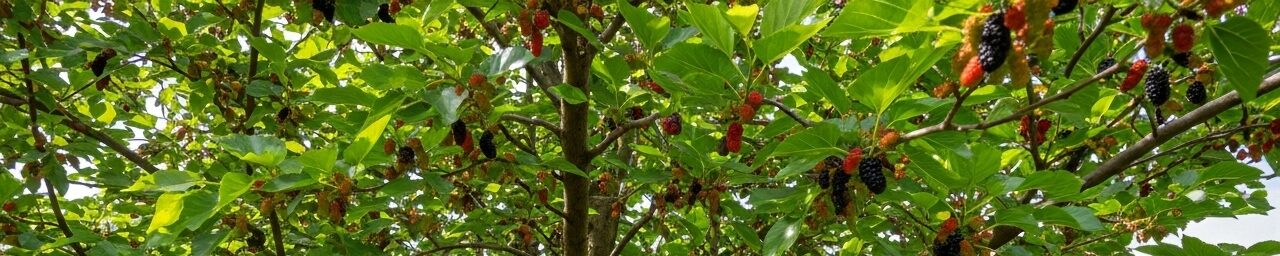
Mulberry growing offers rewarding possibilities for backyard orchardists. Common cultivars include Black Beauty, Chinook, Illini Star, and Ozark Premier, each with distinct characteristics. Whether the interest is fresh fruit, leaf harvesting, or other uses, mulberries provide practical growing and culinary applications. This guide shares insights on mulberry cultivation, harvesting, and leaf processing.
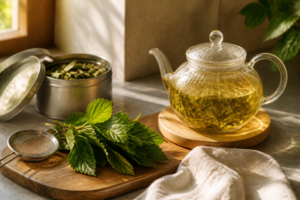
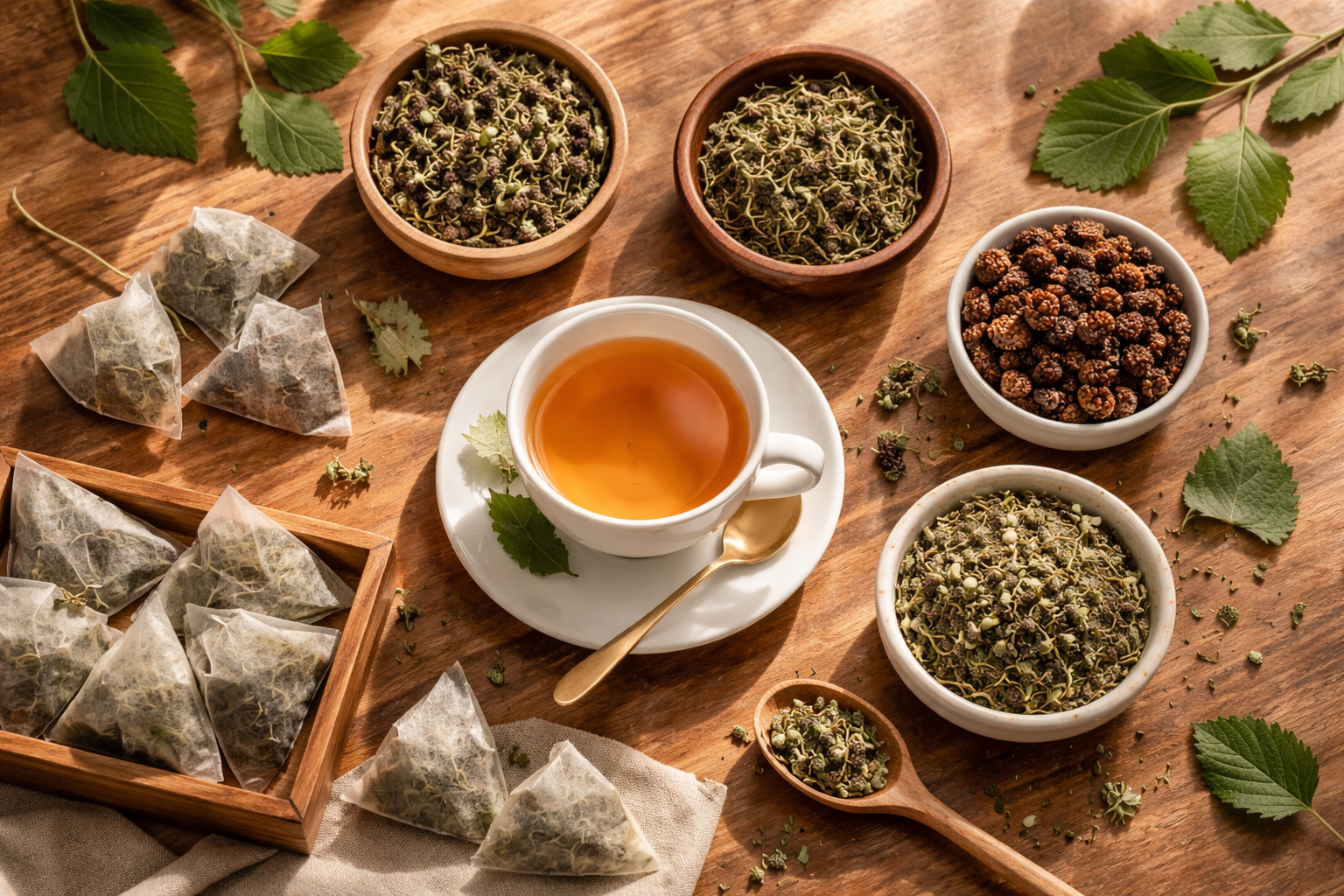
A stained fabric caught in the mind—a ring from mulberry tea, dark and impossible to miss. That deep color set off a question worth asking: which of these packaged products are actually worth the price? When processing mulberry leaves rather than fruit, many growers start experimenting with drying them, steeping them, trying to capture that subtle earthiness in a cup. Then come seasons when the fruit doesn’t cooperate or when time runs short. That’s when many turn to ordering mulberry teas online, and quickly discover that not all packaged versions are created equal. Some taste hollow. Others surprise. So I decided to run through the top-rated Amazon options and document which ones actually deserved a spot in the pantry—and which ones to cross off the list.
My own trees have taught me what good mulberry leaf tea should taste like. I’ve been harvesting and drying my own for years now, so walking into this taste test, I was skeptical. Store-bought products often disappoint when you’ve worked with the raw ingredient yourself. Some of these brands completely vindicated my doubt. Others made me reconsider my assumptions. Below is my transparent, no-filter assessment of every mulberry tea product I brewed from Amazon’s current selection, arranged from the ones that fell shortest to the one I now reach for regularly.
Why I Went Looking for the Best Mulberry Tea Brands in the First Place
Your own mulberry leaves can become excellent tea—up until the moment they can’t. Winter empties the tree. Work piles up. My own harvest always seems to run out in February, no matter how much I dried the previous fall. There’s nothing shameful about ordering packaged tea when your homegrown supply disappears. The trick is finding something that actually tastes layered and alive instead of like hot water with a faint green whisper.
I also encounter regular questions from readers who’ve decided to drink mulberry tea but haven’t yet planted their own tree. You shouldn’t be stuck with mediocre options. I acquired samples of every heavily-praised product Amazon carries, prepared each brew using identical conditions (filtered water heated to the right temperature, consistent steeping duration), and documented my observations with the kind of attention a mulberry obsessive brings to everything.
Tested Products Listed by My Honest Rankings
I’ve arranged these from my least impressed selection all the way to the one I genuinely keep stocked. None of them is bad—but the differences between them matter.
What I’ve Made from My Own Trees (When the Local Wildlife Allows)
Once I finally mastered the harvest window in year three, I ran into a follow-up challenge: what exactly to do with abundance beyond snacking and freezing. That’s when leaf drying and brewing became my answer, and comparing commercial products against my own work showed me precisely what I should be targeting when I prepare my next batch.
The strengths
- Each bag is sealed separately, preserving freshness through months of storage the way my own vacuum-packed leaves do—oxidation doesn’t happen in the cupboard.
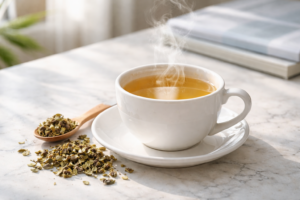
- You can actually see the leaf material through the bag’s window (full pieces, no powder residue), which gave me a visual reference for judging whether my own dried leaves had reached the right stage for packaging.
- Brewing takes only three to five minutes, matching the timeline I’ve discovered works with my thinly-cut homegrown leaves, so I’m never wondering if I’ve overextracted or stopped too soon.
The drawbacks
- You’re absorbing a markup for purchasing convenience when you could process and package your own mulberry leaves from your tree for considerably less money—these days I grab this mainly to benchmark my own work, not as my primary daily drink.
- The taste lacks the brightness and punch of leaves I’ve just dried from my own tree; mine carry a pronounced herbaceous character that mellows out after a couple weeks anyway, but the commercial version never quite matches that freshness.
I almost gave up on this brand after the first box disappointed me—the flavor felt flat compared to what I was getting from my own leaves—but then I realized I was comparing fresh-dried leaves to a product that had already been warehoused for months. Bravo Tea Absolute White Mulberry Leaf Herbal Tea Caffeine is most useful to me now as a quality reference point and a backup when the birds claim the whole crop.
Frequently Asked Questions
How long should mulberry leaf tea bags steep?
Three to five minutes is what I use, and that matched the timeline printed on the Bravo Tea box. It’s also the same window that works with my thinly-cut homegrown leaves, so I’m never guessing whether I’ve overextracted or pulled the bag too early. Having that confirmation from a commercial product was genuinely useful to me.
Is buying packaged mulberry tea worth it if I grow my own tree?
You’re paying a markup for convenience, since you could process and package leaves from your own tree for considerably less money. I still keep a box around, though. My dried supply always runs out in February no matter how much I put up in fall, and the birds sometimes claim the whole crop.
Why does my homemade mulberry leaf tea taste better than store-bought?
Because you’re comparing fresh-dried leaves to a product that has been warehoused for months. My own leaves carry a pronounced herbaceous character with a brightness and punch the commercial version never quite matches. That freshness fades after a couple weeks anyway, which is something I only understood after my first disappointing box.
What should I look for on a mulberry tea package before buying?
I look for individually sealed bags, which preserve freshness through months of cupboard storage the way my vacuum-packed leaves do, so oxidation doesn’t set in. I also want a window in the packaging showing the leaf material inside. You want to see full pieces, not powder residue, which tells you how the leaves were handled.
Keep Reading
About This Article

Written by Ruth Nakamura. Ruth Nakamura is a backyard orchardist in the Pacific Northwest who has grown mulberries for fifteen years, cultivating twelve different varieties in her own backyard. Not a horticulturist by formal training - she shares what she has learned through hands-on growing, workshops, and connecting with nurseries and growers across the country. More about this site.
Scope and limits. Ruth is a backyard orchardist without formal horticultural training. Growing conditions vary enormously by region, so confirm variety, timing, and pest guidance with your local extension service.
Verify this against a primary source
Specifics change, and your situation may differ from the one described here. These are the authorities worth checking directly:
- USDA Plant Hardiness Zone Map — zone verification for your location
- Oregon State University Extension — fruit growing and pruning research
- USDA PLANTS Database — species range and identification