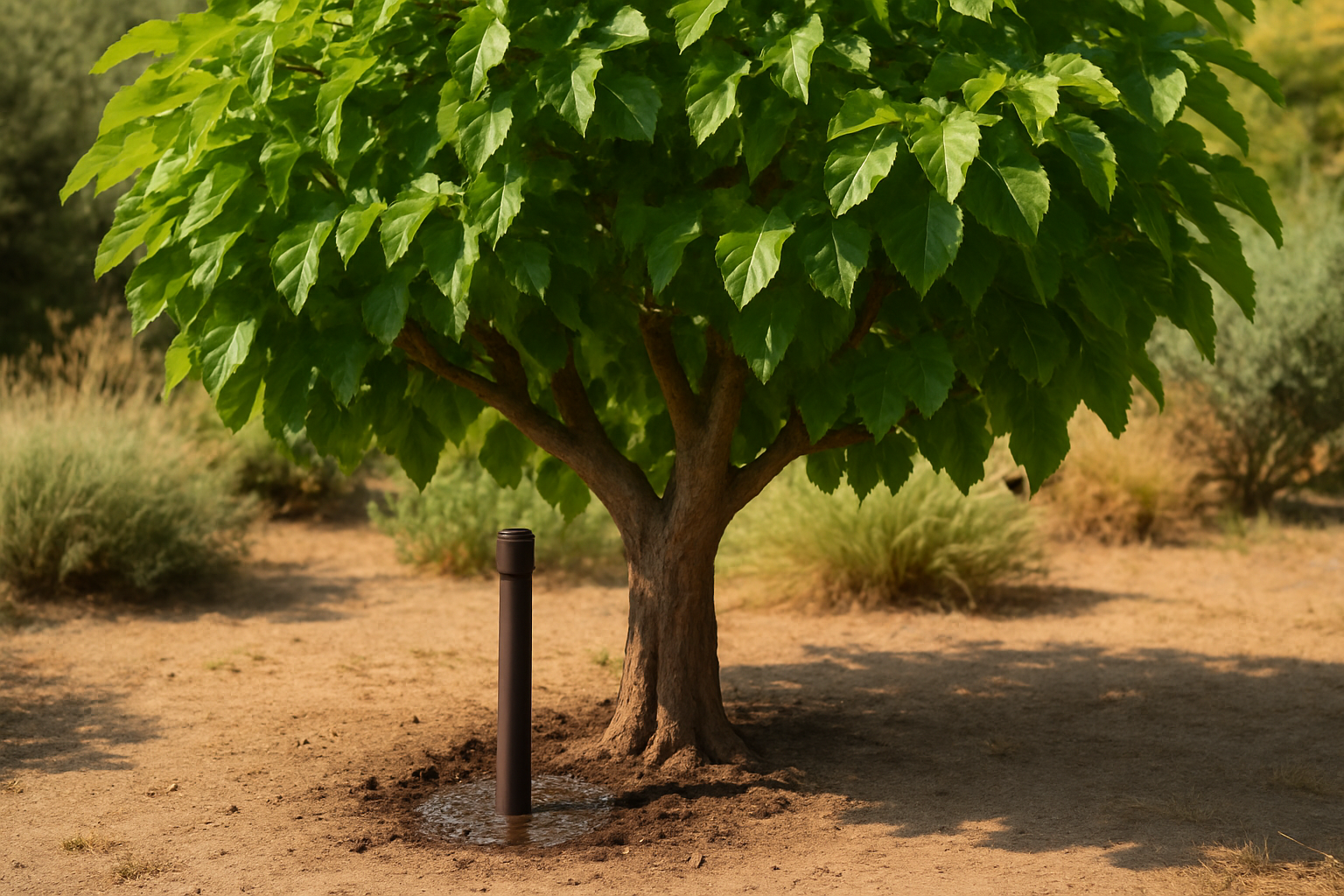
You’ll encounter two conflicting pieces of advice about mulberry watering online: one source will tell you these trees need daily irrigation during summer, while another claims they’re drought-proof and barely need water once they’re a few years old. The first one is misleading — mulberries do have strong drought tolerance eventually, but that only applies to trees that are fully established and thriving. The second claim misses the reality that poor watering practices can sabotage fruit production and tree health in ways that take months to recover from. There’s a middle ground between those two extremes, and finding it is what separates a productive orchard from a struggling one.
How I Accidentally Overwatered My Mulberry Tree (and What It Cost Me)
The story of how I arrived at this knowledge is pretty straightforward: I panicked. One particularly scorching summer brought an extended hot, dry stretch, and watching the soil around my mulberry’s base look parched and cracked sent me into what I can only describe as irrigation overdrive. I watered daily — sometimes twice daily — absolutely certain I was protecting my investment and ensuring a healthy harvest. The surface always seemed thirsty, so I kept supplying water. What went completely unnoticed was the situation beneath the surface: saturated, oxygen-deprived soil where roots had no choice but to sit in standing moisture week after week.
Recognition came slowly, then all at once. Leaves began taking on a yellowish cast that shouldn’t have been there, and I finally picked up the phone and called the cooperative extension office in my county. The conversation with the horticulturist there was humbling. She asked me straight: “How are you deciding when to water — sticking to a calendar, or actually checking what the soil’s telling you?” That single question rewired my entire approach. I’d locked myself into a mechanical routine without once pausing to observe my own tree. The damage was real — early-stage root rot was already establishing itself. Getting the tree back to health consumed the better part of two months, and I genuinely wasn’t confident it would recover. Looking back, it was a stressful situation, emotionally taxing, and entirely preventable.
What Your Mulberry Actually Wants From a Watering Routine
Once I rebuilt my approach from the ground up, the practical framework became much simpler. Here’s what I wish had been clear to me from day one.
The First Two Years Are Different From Everything After
Mulberries demonstrate remarkable resilience to drying conditions once their root systems have fully matured — generally a window of two to three growing seasons. Young trees, though, operate under completely different constraints. During that establishment phase, maintaining steady soil moisture fuels root expansion and canopy development. The operative concept is steady, not drenched.
- New plantings (first and second season): Supply water at a deep, thorough level one to two times across each week while temperatures are warm. Your objective should be penetration down 12–18 inches into the soil column, reaching beyond surface layers.
- Mature specimens (third year onward): A single thorough watering every 7–10 days during stretches without rain typically covers their needs. During cooler periods or after rainfall events, supplemental watering becomes unnecessary.
- Cold season protocols: Dial back moisture input significantly. Overwatering trees in dormancy ranks among the quickest paths toward root deterioration.
Reading Your Soil: The Method That Changed My Game
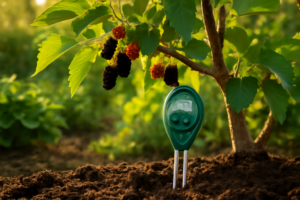
This approach has proved reliable: before watering, insert your finger into the earth 2–3 inches down from the surface, targeting an area along the tree’s outer reach (the drip line) rather than immediately adjacent to the trunk itself. If you detect moisture at that depth, hold off — your tree still has available water. Detect dryness, and you’ve found your signal to irrigate. This simple check prevents overwatering and remains a cornerstone of effective mulberry irrigation.
Why Slow, Deep Applications Beat Quick Shallow Ones
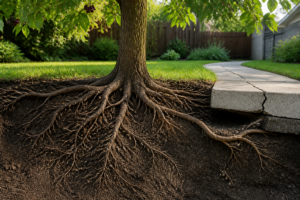
My original mistake stemmed from not grasping this distinction. Rapid, brief watering keeps moisture confined to the upper soil profile, which trains roots to congregate near the surface where conditions are unreliable — ultimately producing a weaker tree that panics during dry periods. Slower, less frequent irrigation applied over longer intervals pushes moisture (and therefore roots) down where they’re stable and protected, generating a structurally sound tree capable of weathering environmental stress. The technique matters: apply water gradually, allowing gravity and soil structure to draw it downward rather than letting excess run away across the surface.
Getting Water Down to Where It Counts: Drip Stakes for Real Root Access
My overwatering crisis highlighted a fundamental disconnect: I was pouring water onto the ground thinking it was reaching my trees’ actual root zones, when in reality it was wetting only the topmost layer before evaporating or running sideways. Conventional sprinklers and hand-watering from above maintain a perpetually wet surface while deeper soil underneath remains either parched or, paradoxically, waterlogged and compacted — the exact circumstances that fuel fungal infection and root disease.
Advantages of subsurface delivery
- Moisture gets channeled straight down into where the active root network lives, eliminating the uncertainty of guessing whether you’ve actually watered thoroughly enough without accidentally creating a boggy mess around your tree.
- Pack includes three stakes, enabling you to position them in a triangular pattern around a mature tree’s perimeter — this geometry distributes hydration uniformly so one area isn’t drowning while another stays parched.
- The 24-inch insertion depth bypasses the upper soil layers where nothing important is growing and targets the zone where your tree’s actual resource-gathering roots reside.
Practical limitations worth acknowledging
- They occupy permanent real estate in your soil, which means you’ll need to work around them during pruning sessions or any other hands-on maintenance — they’re not camouflaged, and they remain in place year after year.
- Compacted clay-heavy soils or ground filled with rocks can turn installation into a frustrating, time-consuming chore; on my second tree, I had to soak the surrounding area the evening before to get the soil workable enough.
I almost returned these after struggling to install them in drought-hardened soil, but once I figured out the prep work, they cut my watering confusion in half. Grab the DEEP DRIP 24-inch Tree Watering Stakes (3 Pack) and actually know whether your mulberries are drowning or thriving.
Scaling Up: Automated Drip Irrigation for Multiple Trees
Subsurface stakes work beautifully for a tree or two, but once your orchard grows past a handful of specimens, hand-watering every other day becomes its own kind of trap. I learned this the hard way with ten trees: my ‘Illinois Everbearing’ and one of my ‘Pakistan’ specimens started showing leaves slightly rolled inward, growth sluggish, vigor clearly slipping. Not a fungal issue, not pests. Just dry soil at the wrong times, because my attention span didn’t match the commitment. That’s when I realized I needed a system that didn’t depend on my memory or my schedule.
Young mulberries — those first two or three years in the ground — demand steady moisture at the root zone to build strong systems. When you alternate between drenching and drought, you’re basically hitting reset on their growth every few weeks. A timer-controlled drip setup removes that variable entirely.
Where the Raindrip kit shines
- Scheduling drips for dawn watering cuts disease pressure and locks in soil moisture through hot afternoons — my stressed younger trees bounced back to normal leaf color in just over two weeks after I got consistent irrigation running.
- One main line branches out to handle multiple zones, so I can run separate schedules for different-aged trees or trees planted in sunnier versus shadier spots without buying multiple kits.
- Water drips straight into the soil instead of falling from above, which keeps foliage dry, reduces pathogen spread, and stops birds from kicking mulch all over the place.
Where it stumbles
- The timer’s battery quit on me partway through August, year two — I didn’t catch it for seventy-two hours, and that dry spell set my trees back visibly, which proved stress works both ways, so you can’t set it and truly forget it.
- Sediment in your water source will plug up emitters gradually, and cleaning each one out individually is mind-numbing work; running a filter or flushing lines before growth starts saves you headaches.
I almost ripped the whole system out after that battery failure, convinced it was more trouble than it was worth — but a simple battery swap and some preventive maintenance proved the setup was actually doing the heavy lifting I needed. If consistent mulberry tree health is your goal, the Raindrip SDFSTH1P Automatic Drip Irrigation Watering Kit with Timer is worth the investment.
Frequently Asked Questions
What are the signs I’m overwatering my mulberry tree?
Yellowing leaves were my first clue, and beneath the surface the soil was saturated and oxygen-deprived, with early-stage root rot already establishing itself. I had been watering daily, sometimes twice daily, because the cracked surface looked parched. Getting that tree back to health consumed the better part of two months, and I wasn’t confident it would recover.
Should I water a mulberry tree during winter dormancy?
Dial moisture input back significantly during the cold season. Overwatering trees while they’re dormant ranks among the quickest paths toward root deterioration, which is exactly the problem I created for myself during summer. The same applies after rainfall or during cooler stretches in the growing season, when supplemental watering simply isn’t necessary.
Where exactly should I check soil moisture on a mulberry?
Insert your finger into the earth 2–3 inches down, targeting an area along the tree’s outer reach, the drip line, rather than immediately next to the trunk. If you feel moisture at that depth, hold off watering. If it’s dry, that’s your signal to water. This simple check helps prevent overwatering.
What time of day should a drip irrigation timer water mulberries?
I schedule mine for dawn. Watering early cuts disease pressure and locks soil moisture in through hot afternoons, and because water drips straight into the soil rather than falling from above, foliage stays dry and pathogen spread drops. My stressed younger trees bounced back to normal leaf color in just over two weeks once consistent irrigation was running.
Keep Reading
About This Article

Written by Ruth Nakamura. Ruth Nakamura is a backyard orchardist in the Pacific Northwest who has grown mulberries for fifteen years, cultivating twelve different varieties in her own backyard. Not a horticulturist by formal training - she shares what she has learned through hands-on growing, workshops, and connecting with nurseries and growers across the country. More about this site.
Scope and limits. Ruth is a backyard orchardist without formal horticultural training. Growing conditions vary enormously by region, so confirm variety, timing, and pest guidance with your local extension service.
Verify this against a primary source
Specifics change, and your situation may differ from the one described here. These are the authorities worth checking directly:
- USDA Plant Hardiness Zone Map — zone verification for your location
- Oregon State University Extension — fruit growing and pruning research
- USDA PLANTS Database — species range and identification