Table of Contents
- Introduction: The Sweet Berry with Serious Health Credentials
- What Are Mulberries? Unpacking This Underrated Superfruit
- A Glimpse into the Science: How Mulberries Target Blood Sugar and Heart Health
- The Sweet Spot: Mulberries for Superior Blood Sugar Management
- Why Mulberries Have a Low Glycemic Index for Diabetes Control
- The DNJ Effect: How Mulberries Slow Sugar Absorption After Meals
- Beyond the Berry: Mulberry Leaf Extract’s Role in Boosting Insulin Sensitivity
- Practical Guidance for Type 2 Diabetes Patients
- Guarding Your Heart: The Cardiovascular Power of Mulberries
- A Natural Approach to Cholesterol Reduction and Heart Disease Prevention
- Rich in Anthocyanins: Antioxidant Protection for Your Cardiovascular System
- How Mulberry Antioxidants Aid in Blood Pressure Regulation
- The Anti-Atherosclerosis Benefit: Keeping Arteries Clear and Healthy
- The Importance of Dietary Fiber in Mulberries for Heart Health
- Nutritional Profile: What’s Inside These Power-Packed Berries?
- A Breakdown of Key Vitamins, Minerals, and Plant Compounds
- Flavonoids and Phenolic Acids: The Unsung Heroes of Mulberry Benefits
- How to Incorporate Mulberries into Your Diet
- Fresh, Dried, or as an Extract: Choosing the Best Form for You
- Simple and Delicious Ways to Enjoy Mulberries Daily
- Precautions and Considerations
- Understanding Natural Sugars and Portion Control
- Potential Side Effects and Who Should Be Cautious
- Conclusion: Embrace the Sweet Benefits of Mulberries for a Healthier You
- Recapping the Dual-Action Power for Blood Sugar and Heart Health
- Citations
Introduction: The Sweet Berry with Serious Health Credentials
Mulberries deserve far more attention than they currently receive. While acai bowls and goji berries dominate health-food conversations, the mulberry—a fruit humans have relied on for thousands of years, particularly in traditional Asian medicine—remains overlooked. The reason warrants attention: this deep-purple berry is packed with compounds that address two significant health concerns for most people: blood sugar management and cardiovascular protection. The fact that it tastes genuinely delicious is a bonus.
What Are Mulberries? Unpacking This Underrated Superfruit
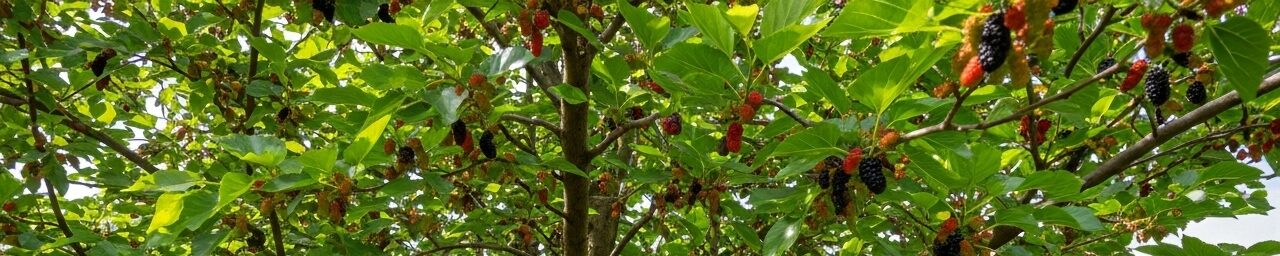
The Morus genus produces several distinct types of mulberries—black, red, and white being the most familiar—each growing on trees that have been nourishing people across Asia, the Middle East, and eventually Europe for centuries. In those regions, healers valued not just the fruit itself but the leaves, bark, and roots, incorporating them into remedies for everything from digestive complaints to metabolic imbalances. Today’s scientific research is catching up to what traditional medicine practitioners have known for generations: mulberries are genuinely therapeutic. Their flavor profile—a balance of sweetness and subtle tartness—makes them as useful in the kitchen as they are in the medicine cabinet.
A Glimpse into the Science: How Mulberries Target Blood Sugar and Heart Health
What makes mulberries remarkable is their complex biochemistry. They house a molecule called 1-deoxynojirimycin (DNJ) that actively prevents sugar from being absorbed rapidly in the digestive tract. Layered on top of that are dense concentrations of compounds like anthocyanins and resveratrol—antioxidants that defend against the inflammation and oxidative damage that lead to heart disease. The result is a fruit that operates on two fronts simultaneously: one that steadies your blood glucose and another that keeps your cardiovascular system resilient. Few foods can claim this kind of dual-action benefit.
The Sweet Spot: Mulberries for Superior Blood Sugar Management
Anyone dealing with blood sugar regulation—whether managing type 2 diabetes, navigating prediabetes, or simply trying to avoid the energy crashes that follow sugar spikes—faces a real dilemma: finding foods that taste naturally sweet without destabilizing your glucose. That’s where mulberries shift the equation entirely. They deliver genuine sweetness while maintaining the metabolic stability your body needs.
Why Mulberries Have a Low Glycemic Index for Diabetes Control
The Glycemic Index (GI) ranks foods by how fast they push blood sugar upward after you eat them. A low-GI food digests gradually, releasing glucose incrementally into your bloodstream, which means your pancreas doesn’t get hammered with an insulin demand all at once. Mulberries sit firmly in the low-GI category, which is remarkable considering how sweet they taste. This means a bowl of fresh mulberries won’t trigger the dangerous blood sugar spikes you’d experience from, say, candy or even many conventional desserts. Instead, you get steady, sustained energy—the kind that keeps you alert without the inevitable afternoon crash.
The DNJ Effect: How Mulberries Slow Sugar Absorption After Meals
The standout player in mulberry biochemistry is 1-deoxynojirimycin, or DNJ. This plant alkaloid is a natural inhibitor of alpha-glucosidase, an enzyme living in your small intestine whose entire job is breaking down carbohydrates and disaccharides into glucose molecules small enough to slip into your bloodstream.
When DNJ is present, it essentially puts a brake on that enzyme. The sugar-breaking process slows down dramatically. Glucose trickles into your blood over an extended period rather than flooding in all at once. This “DNJ effect” is the primary mechanism behind why eating mulberries alongside or just before a carbohydrate-heavy meal can meaningfully blunt the post-meal blood glucose spike that would normally occur.
Beyond the Berry: Mulberry Leaf Extract’s Role in Boosting Insulin Sensitivity
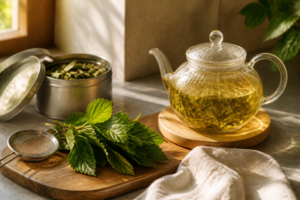
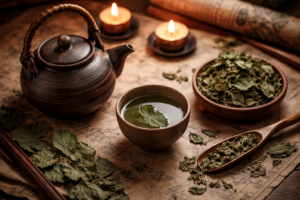
While the berries themselves are valuable, the leaves are where the real DNJ treasure lies—they’re concentrated far more densely with this compound than the fruit. That’s why mulberry leaf extract has gained traction as a metabolic support supplement. The research shows it doesn’t just slow sugar absorption; it also appears to enhance insulin sensitivity, meaning your cells become better listeners to insulin’s signal and pull glucose out of your bloodstream more efficiently. A simple cup of mulberry leaf tea becomes a gentle daily practice that works quietly to improve how your body handles carbohydrates.
Practical Guidance for Type 2 Diabetes Patients
If you’re managing type 2 diabetes, adding mulberries to your routine makes practical sense. Here’s what I’d consider:
- Opt for Fresh or Frozen Versions: Both come without added sugars. A modest portion—a small handful—works well as a standalone snack or stirred into unsweetened yogurt without spiking your glucose.
- Experiment with Mulberry Leaf Tea: Sipping a cup before or during a carb-containing meal can help moderate how sharply your blood sugar rises in response.
- Talk to Your Doctor First: This step is non-negotiable. Since mulberries and their extracts actively lower blood sugar, mixing them with your current diabetes medications could push your glucose too low. Your healthcare provider needs to know what you’re adding so they can adjust medications if needed and monitor whether the combination is working safely for you.
Guarding Your Heart: The Cardiovascular Power of Mulberries
Maintaining a strong, resilient heart is fundamental to everything else—energy, longevity, quality of life. Mulberries approach cardiovascular health from multiple angles at once. The combination of fiber, minerals, and protective plant compounds creates a comprehensive shield against the various mechanisms that damage heart tissue and blood vessels.
A Natural Approach to Cholesterol Reduction and Heart Disease Prevention
Elevated LDL (“bad”) cholesterol is one of the most reliable predictors of future heart disease. Research increasingly indicates that mulberry consumption can nudge cholesterol levels in a healthier direction. Studies show that both total and LDL cholesterol can decrease with regular mulberry intake—an effect driven partly by the soluble fiber that acts like a sponge in your digestive tract, soaking up cholesterol particles before your body can absorb them. Plant compounds like resveratrol add another layer of protection by modifying how cholesterol behaves in your bloodstream.
Rich in Anthocyanins: Antioxidant Protection for Your Cardiovascular System
That deep, dark purple-black color in mulberries comes from anthocyanins—flavonoids with exceptional antioxidant muscle. Free radicals circulating in your body damage cell membranes and trigger inflammation, both of which accelerate heart disease. Anthocyanins neutralize these free radicals before they cause harm. By controlling oxidative stress throughout your cardiovascular system—in the capillaries, the arteries, the heart muscle itself—anthocyanins provide what amounts to preventive maintenance for your entire circulatory network.
How Mulberry Antioxidants Aid in Blood Pressure Regulation
Chronic high blood pressure forces your heart to work harder than it should and gradually weakens arterial walls through constant stress. Mulberries contain nutrients that support healthier pressure readings. Potassium, abundant in these berries, counteracts sodium’s blood-pressure-raising effects by promoting vasodilation—the relaxation and opening of blood vessel walls. Resveratrol, that same antioxidant found in red wine, stimulates the production of nitric oxide, a signaling molecule that prompts blood vessels to expand and accommodate blood flow more easily.
The Anti-Atherosclerosis Benefit: Keeping Arteries Clear and Healthy
Atherosclerosis—the accumulation of plaque inside arterial walls—develops when cholesterol particles become oxidized (chemically transformed into a more harmful form). Oxidized LDL is what actually adheres to artery walls and builds into plaques. By keeping LDL in its non-oxidized state, the potent antioxidants in mulberries prevent that first crucial step in plaque formation. Clean, flexible, unobstructed arteries remain the foundation of cardiovascular health, and mulberries actively defend that status.
The Importance of Dietary Fiber in Mulberries for Heart Health
Fiber deserves more credit than it usually gets. Mulberries provide both soluble and insoluble varieties. The soluble fiber becomes a gel-like substance in your digestive tract that traps cholesterol particles and escorts them out of your body before absorption occurs. A solid body of evidence consistently connects high-fiber diets to lower heart disease rates, and mulberries offer a genuinely pleasant way to move your daily fiber intake upward.
Nutritional Profile: What’s Inside These Power-Packed Berries?
Mulberries manage something that few foods accomplish: they’re calorie-modest but nutrient-dense. That density of useful compounds is precisely why they’ve earned the “superfruit” label.
A Breakdown of Key Vitamins, Minerals, and Plant Compounds
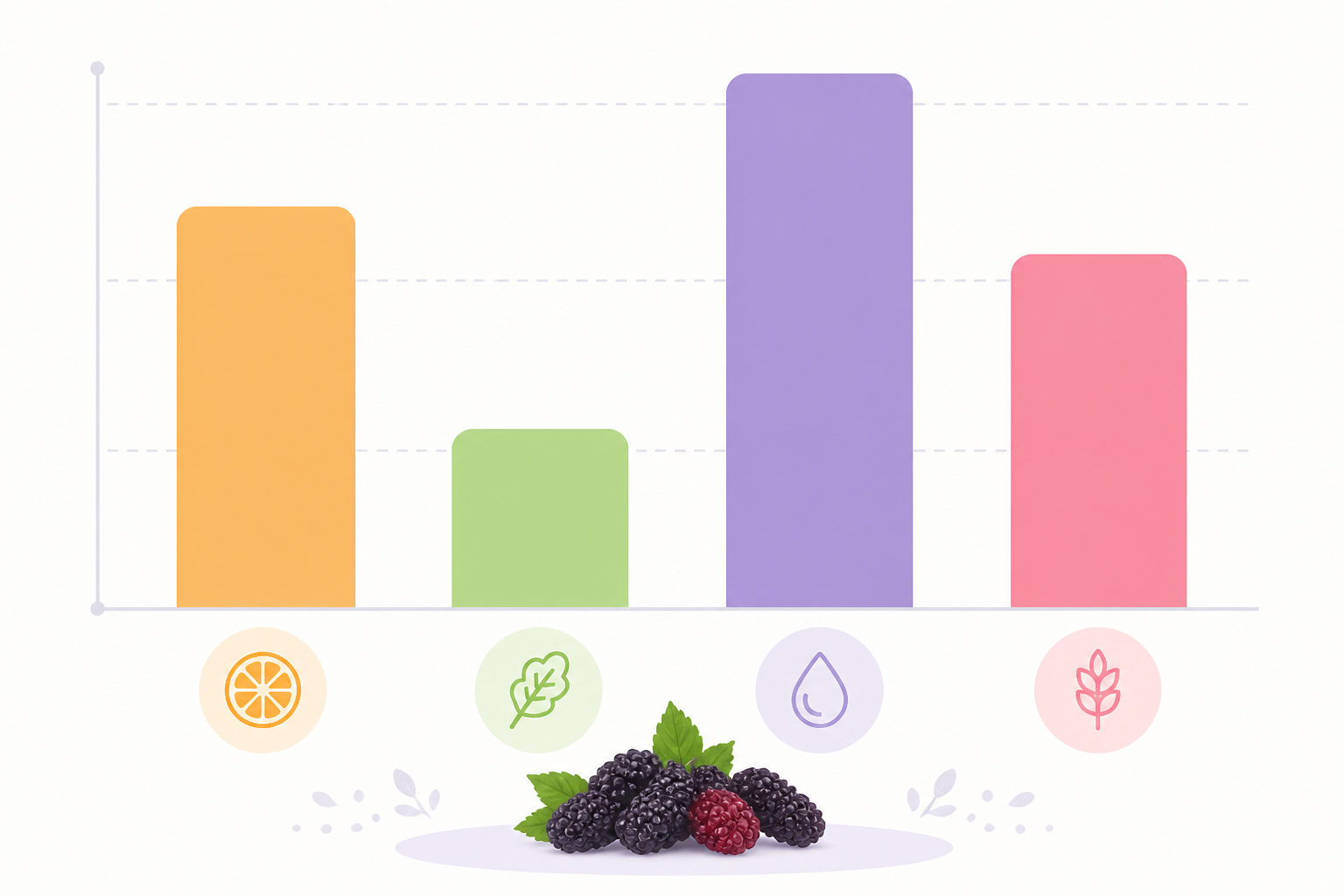
In a single cup of fresh mulberries (approximately 140 grams), you receive an impressive nutritional payload:
- Vitamin C: This antioxidant underpins immune resilience and skin integrity. One serving delivers a meaningful chunk of what your body needs daily.
- Vitamin K: Required for proper blood coagulation and skeletal integrity.
- Iron: Essential for hemoglobin synthesis and oxygen transport. Mulberries are unusual among fruits in containing meaningful amounts of iron.
- Potassium: This mineral regulates blood pressure and electrolyte balance throughout your system.
- Dietary Fiber: Supports digestive function, glucose management, and cardiovascular resilience.
Flavonoids and Phenolic Acids: The Unsung Heroes of Mulberry Benefits
Beyond the standard micronutrients, mulberries house an array of bioactive phytochemicals. These are the molecules doing the heavy lifting behind the health outcomes science has documented.
- Anthocyanins: Responsible for the dark coloring and the bulk of the antioxidant firepower. They combat inflammation and cellular damage relentlessly.
- Resveratrol: An antioxidant studied extensively for longevity-supporting and cardiovascular-protective qualities.
- Rutin: A flavonoid that fortifies blood vessel structure and enhances microcirculation throughout tissue.
- Chlorogenic Acid: Present also in coffee, this compound may help regulate how quickly carbohydrates move from digestion into glucose absorption.
- Myricetin: A potent flavonoid delivering both anti-inflammatory and antioxidant action.
These compounds function not in isolation but as an interlocking network, each amplifying what the others accomplish. That synergy is what makes mulberries such effective nutritional medicine.
How to Incorporate Mulberries into Your Diet
The practical question becomes: how do you actually get mulberries into your life regularly? The answer is flexible and straightforward.
Fresh, Dried, or as an Extract: Choosing the Best Form for You
- Fresh Mulberries: If you catch them in season, they’re an incomparable treat—delicate, fragile, meant to be consumed quickly. They’re ideal for snacking straight or layering into desserts and breakfast dishes.
- Dried Mulberries: Available year-round with a pleasantly chewy texture. They work in trail mixes, sprinkled atop cereal, or eaten by the handful. Remember that drying concentrates the sugar content, so mindful portions matter.
- Mulberry Leaf Extract, Capsules, or Tea: When you specifically want the blood-sugar-management benefits and a concentrated source of DNJ, these formats deliver efficiency and consistency—you know exactly what dose you’re getting.
Simple and Delicious Ways to Enjoy Mulberries Daily
- Morning Grain Bowl: Mix fresh or dried mulberries into your oatmeal, granola, or yogurt as soon as you wake up.
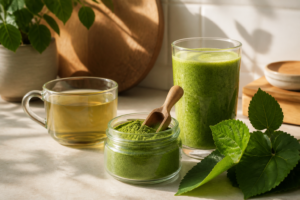
- Blended Beverage Base: Frozen mulberries puree beautifully into smoothies, providing fiber, antioxidants, and natural sweetness.
- Salad Accent: Dried mulberries add brightness and subtle sweetness to bitter greens like spinach or arugula.
- Baked Goods: Fold them into muffin batters, scone doughs, or energy ball recipes for homemade baking with built-in nutrition.
- Warm Beverage Ritual: Brew mulberry leaf (loose or bagged) in hot water as an evening or post-meal tea.
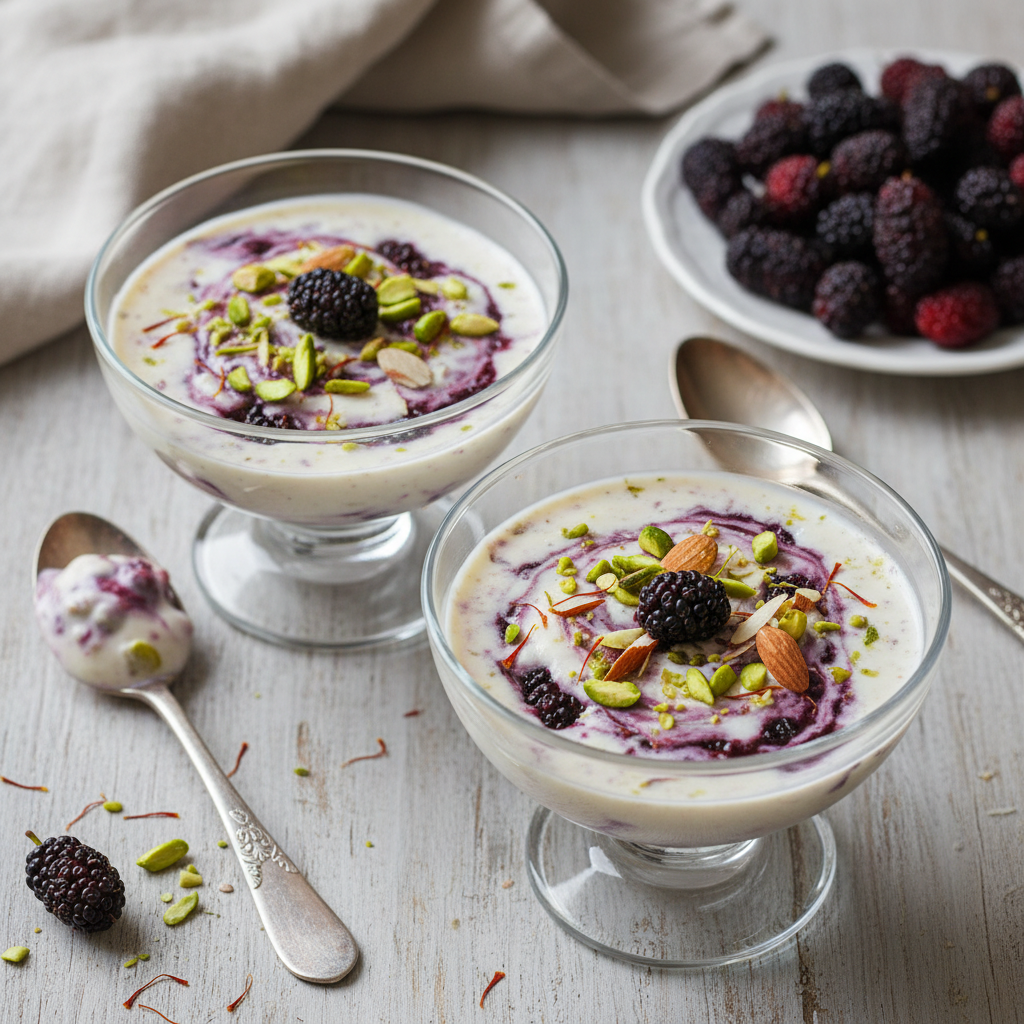
Begin your morning with natural sweetness balanced by sustained, steady energy. This mulberry-oat smoothie combines creamy texture with fruity depth, takes minutes to prepare, and delivers the kind of nourishment that carries you through until lunch without the mid-morning energy dip.
Precautions and Considerations
While mulberries are overwhelmingly safe and beneficial, thoughtfulness matters when introducing any new food or supplement into your routine.
Understanding Natural Sugars and Portion Control
Even though mulberries have a low glycemic index, they still deliver fructose and glucose—they’re fruits, after all. This becomes even more relevant with dried mulberries, where the water content is removed and sugars become concentrated into a smaller volume. Eating mindfully—a small handful as a serving—keeps the benefits intact without letting sugar accumulate. Overconsumption could still contribute meaningfully to your daily calorie and sugar totals.
Potential Side Effects and Who Should Be Cautious
Most people tolerate mulberries without any problems whatsoever. A minority might notice mild digestive effects—perhaps some bloating or loose stools—particularly if they consume large quantities. The fiber content is the usual culprit.
The more critical consideration: if you’re taking diabetes medications, go slowly and stay in conversation with your doctor. Mulberries and their extracts actively reduce blood glucose, so combining them with medications that do the same thing could theoretically push your blood sugar downward more than intended. Medical supervision here isn’t excessive caution—it’s just smart self-care.
Conclusion: Embrace the Sweet Benefits of Mulberries for a Healthier You
Mulberries exemplify how nature packages powerful therapeutic compounds inside flavors and textures that feel like genuine enjoyment rather than medicine. They transcend being merely another sweet fruit; they’re a functional food with genuine scientific credibility behind claims that matter to real people managing real health challenges.
Recapping the Dual-Action Power for Blood Sugar and Heart Health
The takeaway: mulberries address blood glucose through DNJ’s ability to slow sugar absorption and boost insulin function—a direct approach to diabetes management. Simultaneously, their anthocyanins, resveratrol, fiber, and potassium work together to lower cholesterol, reduce blood pressure, and protect arterial walls from the oxidative damage that becomes plaque. That two-pronged defense against the most common metabolic challenges of our time makes mulberries genuinely valuable fruit—one that absolutely earns a regular place in a thoughtful, health-focused diet.
Naturally sweet mulberry chews and dried mulberry snacks deliver the taste of candy without the refined sugar—a genuinely satisfying alternative to conventional sweets. Several quality mulberry snack options are available through Amazon:
Getting DNJ Without Growing a Tree: My Go-To Leaf Extract
Not every backyard has room for a mulberry tree—I learned this truth the hard way when my neighbor’s roots started inching toward the septic line. If you’re after the blood sugar support that mulberry leaf provides but don’t have space or the years it takes to establish a tree, a quality extract capsule handles all that work for you in a simpler package.
What works
- The DNJ content stays predictable and reliable—no guesswork about potency the way there is when you’re drying leaves yourself from an unknown source
- You swallow a capsule instead of steeping tea for ten minutes when you’re watching a meal impact on your numbers
- Dosing becomes trackable and repeatable, particularly valuable if you’re experimenting to see what actually shifts your glucose response
What doesn’t
- You lose the deep satisfaction that comes from harvesting something you grew with your own hands—and the fuller nutrient spectrum of whole leaf tea
- Capsules cost more per dose than drying your own leaves would, if budget is your primary constraint
I still prefer fresh mulberries when I have them, but consistency matters more than perfection. Wild & Organic White Mulberry Leaf Extract Capsules 500 mg
Sources and Citations
The health claims discussed on this page come from published research. Every study below has been checked against its PubMed or PubMed Central record, and each entry links to the source so you can read it yourself.
- Banu S et al. (2015) — “Reduction of post-prandial hyperglycemia by mulberry tea in type-2 diabetes patients.” Saudi J Biol Sci, 22(1), 32-6. PMC4281624 →
Follow-up study in 48 people with type 2 diabetes: 28 were given mulberry tea and 20 plain tea, and post-meal glucose measured 90 minutes later was markedly lower in the mulberry group. Not randomised or blinded. - Cui W et al. (2023) — “Effect of mulberry leaf or mulberry leaf extract on glycemic traits: a systematic review and meta-analysis.” Food Funct, 14(3), 1277-1289. (meta-analysis) PubMed 36644880 →
Meta-analysis of 12 clinical trials (615 participants). Mulberry leaf or extract reduced fasting glucose by 0.47 mmol/L, HbA1c by 2.92 mmol/mol and fasting insulin, with larger effects after 8 or more weeks and in people who were not metabolically healthy at baseline. - Kojima Y et al. (2010) — “Effects of mulberry leaf extract rich in 1-deoxynojirimycin on blood lipid profiles in humans.” J Clin Biochem Nutr, 47(2), 155-61. PMC2935155 →
Open-label, single-group study in only 10 people with triglycerides of 200 mg/dL or higher, taking 12 mg of DNJ-rich extract three times daily for 12 weeks. Triglycerides decreased modestly. There was no control group, so treat this as preliminary. - Chen X et al. (2022) — “Impact of mulberry consumption on cardiometabolic risk factors: A systematic review and meta-analysis of randomized-controlled trials.” J Clin Pharm Ther, 47(12), 1982-1993. (meta-analysis) PubMed 36509962 →
Meta-analysis of 12 randomised trials. Mulberry consumption lowered HbA1c, total cholesterol (-13.1 mg/dL), LDL (-8.8 mg/dL), triglycerides (-19.7 mg/dL) and CRP. Note this disagrees with the Phimarn meta-analysis on lipids.
Note: study results are not guaranteed for individual users. Dose, preparation method, and individual physiology all affect outcomes, and most of these trials are small. Consult your healthcare provider before making changes to your treatment plan.
Frequently Asked Questions
Do mulberries actually contain iron?
Yes, and that’s unusual for a fruit. Mulberries are notable among fruits for containing meaningful amounts of iron, which your body needs for hemoglobin synthesis and oxygen transport. A single cup of fresh mulberries, approximately 140 grams, also supplies vitamin C, vitamin K, potassium and dietary fiber, which is why the berry earns its nutrient-dense reputation.
Are mulberry leaf capsules better than drying my own leaves?
They aren’t better, just more consistent. I use Wild & Organic White Mulberry Leaf Extract Capsules 500 mg on travel or busy weeks when fresh leaves aren’t realistic, because the DNJ content stays predictable and the dosing is trackable. The tradeoffs are real: capsules cost more per dose, and you lose the fuller nutrient spectrum of whole leaf tea.
Is the resveratrol in mulberries the same as in red wine?
Yes, resveratrol is that same antioxidant found in red wine. In mulberries it stimulates production of nitric oxide, a signaling molecule that prompts blood vessels to expand and accommodate blood flow more easily. Resveratrol also adds a layer of cholesterol protection by modifying how cholesterol behaves in your bloodstream, alongside the soluble fiber already doing that work.
How much dried mulberry counts as one serving?
A small handful is the portion I stick to. Drying removes the water content and concentrates the sugars into a smaller volume, so dried mulberries deserve more portion awareness than fresh ones. Even with a low glycemic index they still deliver fructose and glucose, and overconsumption can contribute meaningfully to your daily calorie and sugar totals.
Keep Reading
About This Article

Written by Ruth Nakamura. Ruth Nakamura is a backyard orchardist in the Pacific Northwest who has grown mulberries for fifteen years, cultivating twelve different varieties in her own backyard. Not a horticulturist by formal training - she shares what she has learned through hands-on growing, workshops, and connecting with nurseries and growers across the country. More about this site.
Scope and limits. Ruth is a backyard orchardist without formal horticultural training. Growing conditions vary enormously by region, so confirm variety, timing, and pest guidance with your local extension service.
Verify this against a primary source
Specifics change, and your situation may differ from the one described here. These are the authorities worth checking directly:
- USDA Plant Hardiness Zone Map — zone verification for your location
- Oregon State University Extension — fruit growing and pruning research
- USDA PLANTS Database — species range and identification