Table of Contents
- Beyond Silk: Unveiling the Green Treasure of Thailand
- What Are Thai Mulberry Leaves?
- From Traditional Thai Medicine to Modern Wellness
- The Nutritional Powerhouse: What’s Inside a Mulberry Leaf?
- A Rich of Vitamins, Minerals, and Antioxidants
- Key Compounds: 1-Deoxynojirimycin (DNJ) and Polyphenols
- Managing Blood Sugar: Thai Mulberry Leaf Benefits for Diabetes
- How Mulberry Leaves Help Regulate Glucose and Insulin
- Research on Mulberry Leaves for Blood Sugar Control
- Heart Health Hero: Using Thai Mulberry Leaves for Cholesterol and Blood Pressure
- The Natural Path to Reducing Bad Cholesterol
- Supporting Healthy Blood Pressure Levels
- Supporting Your Goals: Mulberry Leaf Extract for Weight Loss
- How It Works: Boosting Fat Metabolism and Reducing Carb Absorption
- Reading the Reviews: What Users in Thailand Say
- More Surprising Health Benefits of Thai Mulberry Leaves
- Antioxidant Properties for Anti-Aging and Skin Health
- A Soothing Remedy: Mulberry Leaf Tea for Digestive Health
- The Anti-Inflammatory Effects on Overall Health
- How to Incorporate Thai Mulberry Leaves into Your Routine
- Brewing the Perfect Thai Mulberry Leaf Tea
- Ingredients
- Instructions
- Choosing Between Teas, Extracts, and Powders
- Potential Side Effects and Precautions to Consider
- Who Should Be Cautious with Mulberry Leaf?
- Understanding Safe Dosages
- Where to Buy Organic Thai Mulberry Leaves for Health
- Tips for Finding High-Quality, Authentic Products
- Conclusion: Embrace the Leaf for a Healthier You
Mulberries include several notable cultivars, such as Black Beauty, Chinook, Illini Star, and Ozark Premier, each with its own characteristics. Growing mulberries is a rewarding pursuit that teaches lessons through both mistakes and harvests. These magnificent trees and their leaves offer surprising benefits worth exploring.
Silkworm feed. That’s how most people know mulberry leaves, if they know them at all. But dismiss them on that basis alone and you’d miss one of the most quietly potent plant remedies working its way into wellness conversations globally. In Thailand, where Morus alba has grown for centuries, the leaves themselves—not the cocoons they produce—have anchored traditional healing practice long before the silk trade arrived. What I’ve learned from reading the research and talking to growers across Southeast Asia is that the true story begins where sericulture ends.
Strip away the silk-industry reputation, and you’re left with something far more interesting: a nutritionally dense leaf that tackles blood sugar stability, supports cardiovascular function, helps manage weight, and floods your system with protective compounds that research is only now documenting. The deeper I’ve looked into what these leaves actually contain and what people use them for in their daily routines, the more obvious it becomes why they’re moving from a regional secret into supplement shelves worldwide. Let’s dig into the specifics of what makes Thai mulberry leaves worth your attention.
Beyond Silk: Unveiling the Green Treasure of Thailand
Across Thai farmland, the Morus alba tree has been woven into agriculture for generations. Its role in feeding silkworms is well documented. Yet that same plant held another purpose in households and traditional healing spaces—one that never made it into export-industry marketing. Communities throughout the region understood that the leaves themselves possessed healing capacity that went far beyond commercial value.
What Are Thai Mulberry Leaves?
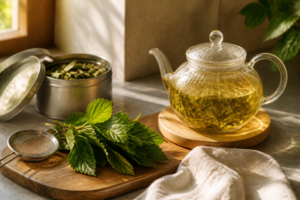
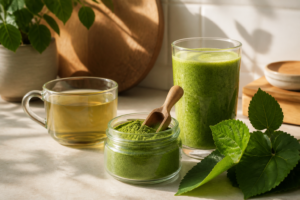
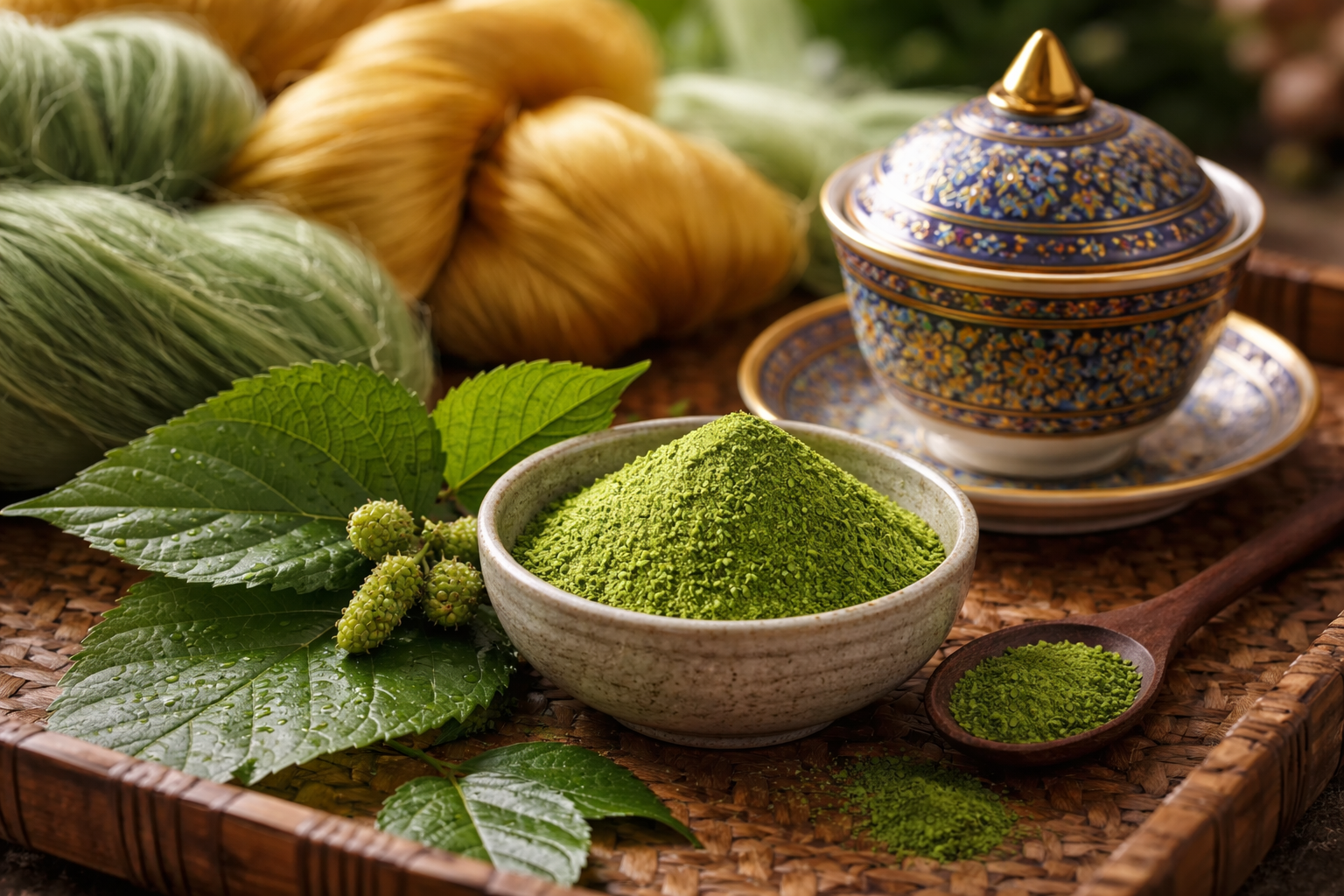
These leaves originate from the identical trees cultivated for sericulture, but their purpose diverges entirely. Heart-shaped and deep green, they emerge from the clean, mineral-rich soils of Thailand with a distinctive nutrient profile. Harvesters pick them at their nutritional peak, then dry them for use as tea, ground powder, or concentrated extract. What sets the Thai variety apart isn’t just pleasant flavor—though the taste is notably mild and approachable—but the sheer density of active compounds locked into every leaf.
From Traditional Thai Medicine to Modern Wellness
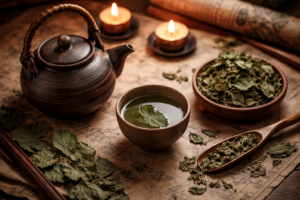
Practitioners in traditional Thai medicine reached for mulberry leaves to address fevers, cool excess heat in the body, and restore balance to the blood. Cough remedies and liver support were among the standard applications. What happened in those healing spaces—empirical observation across centuries—is now being validated through laboratory testing and clinical trials. The traditional knowledge is moving out of historical texts and into contemporary wellness practices, grounded in actual mechanisms that scientists can measure and verify.
The Nutritional Powerhouse: What’s Inside a Mulberry Leaf?
Why does such a simple leaf generate this level of interest? The answer sits in its composition. This isn’t a source of single nutrient—it’s a botanical multivitamin, dense with interlocking compounds that work together. To grasp what Thai mulberry leaves actually do in your body, you need to know exactly what you’re consuming.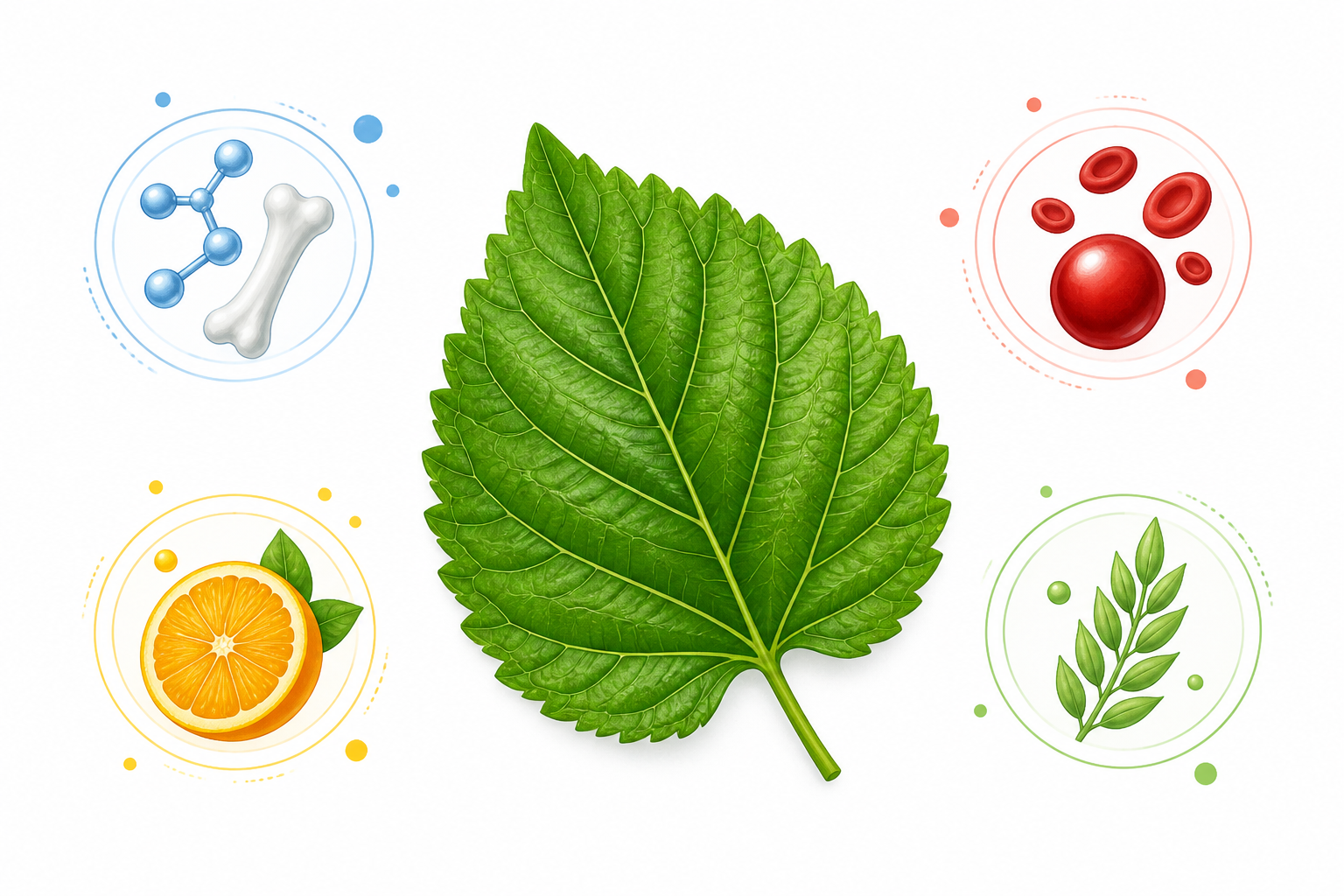
A Rich of Vitamins, Minerals, and Antioxidants
The micronutrient profile in Thai mulberry leaves reads like a supplement label. Calcium sits at substantial levels, fundamental to skeletal integrity. Iron and potassium follow in meaningful amounts. Layer in Vitamin C, beta-carotene, and Vitamin K, and you’ve got a foundational vitamin stack. Beyond that baseline sits an arsenal of antioxidant compounds—flavonoids, polyphenols, and related molecules—that function as cellular defenders against oxidative damage.
Key Compounds: 1-Deoxynojirimycin (DNJ) and Polyphenols
Two compound categories elevate mulberry leaves above ordinary botanical sources. The first is 1-Deoxynojirimycin (DNJ), an iminosugar that functions as a metabolic regulator. Its job: interfere with enzymatic carbohydrate breakdown in your digestive tract, which fundamentally alters how quickly glucose enters your bloodstream.
Second, you’ve got polyphenols—quercetin and chlorogenic acid among them—which operate as potent antioxidant and anti-inflammatory agents. They intercept free radicals and dampen the inflammatory cascades linked to aging and degenerative disease progression. When these compounds work in concert—the DNJ handling metabolic stability while polyphenols manage cellular stress—you get a botanical tool that addresses multiple physiological systems simultaneously.
Managing Blood Sugar: Thai Mulberry Leaf Benefits for Diabetes
The most thoroughly researched application of Thai mulberry leaves centers on glucose metabolism. For anyone managing type 2 diabetes or working to prevent its progression, this plant offers measurable metabolic support.
How Mulberry Leaves Help Regulate Glucose and Insulin
The mechanism hinges on DNJ’s interference with carbohydrate digestion. When you consume carbohydrates, your digestive system breaks complex structures into glucose molecules. Those molecules then transit into your circulation. DNJ slows this process by blocking alpha-glucosidase enzymes. Carbohydrates break down more gradually, meaning glucose absorption becomes a steady trickle rather than a sudden flood. This flattens the postprandial glucose spike—the dramatic blood sugar surge that occurs after eating—and reduces the corresponding insulin demand that follows.
Research on Mulberry Leaves for Blood Sugar Control
Clinical investigations consistently demonstrate this effect. When test subjects consumed mulberry leaf extract with a high-carbohydrate meal, their postprandial blood glucose rose more modestly and more slowly than in placebo arms. The flattened curve—slower rise, lower peak—represents meaningful metabolic benefit, especially when repeated daily over months and years. The science validates what traditional medicine practitioners observed through lived experience: mulberry leaf stabilizes the glucose dynamics that underlie metabolic disease.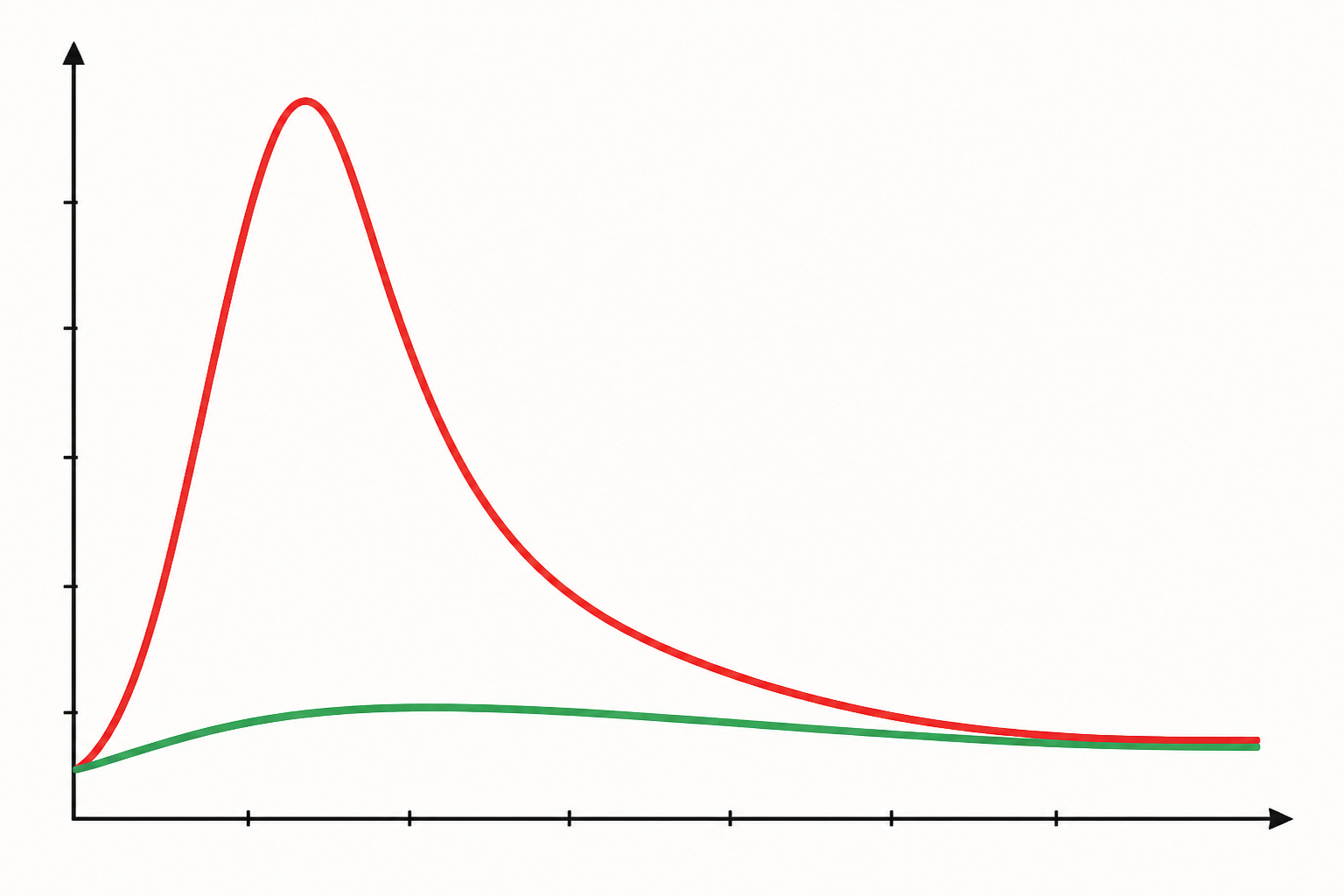
Heart Health Hero: Using Thai Mulberry Leaves for Cholesterol and Blood Pressure
Cardiovascular resilience requires attention to two variables: the lipid profile in your blood and the force at which that blood pushes against vessel walls. Thai mulberry leaves address both fronts simultaneously.
The Natural Path to Reducing Bad Cholesterol
Evidence accumulates that mulberry leaves can shift lipid ratios in a favorable direction. LDL cholesterol—the oxidation-prone variety that contributes to plaque formation—tends to decline. Triglycerides, another risk marker, show similar improvement. Simultaneously, HDL cholesterol, the protective form, may hold steady or increase. The flavonoid compounds in the leaf tissue appear responsible for these shifts, likely by reducing hepatic cholesterol synthesis and improving clearance mechanisms. The net effect: a blood lipid profile more resistant to atherosclerotic progression.
Supporting Healthy Blood Pressure Levels
Hypertension imposes continuous strain on the cardiovascular system. Mulberry leaves contain quercetin and related compounds that promote vascular smooth-muscle relaxation. Blood vessel walls become more compliant, resistance decreases, and the heart works against less pressure. Regular mulberry leaf tea consumption—a simple daily habit—can contribute meaningfully to blood pressure regulation without the side effect burden of pharmaceuticals.
Supporting Your Goals: Mulberry Leaf Extract for Weight Loss
For those working toward sustainable weight management, mulberry leaf extract offers a leverage point rooted in carbohydrate metabolism.
How It Works: Boosting Fat Metabolism and Reducing Carb Absorption
The principal mechanism again traces to DNJ and its suppression of carbohydrate absorption. When fewer glucose molecules make it into circulation, your body has less substrate for fat storage. Caloric intake effectively decreases without dietary restriction or increased physical expenditure. Over time, this reduced carbohydrate load can support gradual, sustainable weight loss—particularly when paired with other dietary and lifestyle modifications.
Getting Consistent Mulberry Leaf Benefits Without Growing Your Own
Not everyone has the climate or yard space to cultivate mulberry trees, but you shouldn’t forfeit access to those glucose-regulating inosugars and cellular-protective polyphenols. A reliable bagged tea lets you establish the practice without any horticultural overhead.
What works
- Seventy-five individual bags provide several months of continuous daily brewing before reordering becomes necessary
- The leaf taste profile is genuinely pleasant—grassy and green without the bitter medicinal undertone that deters many from herbal routines
- Since switching to daily mulberry leaf tea from my previous beverage habits, my mid-afternoon energy stays stable; this tracks with the DNJ research on glucose steadiness
What doesn’t
- Individual tea bags brew faster than loose-leaf formats, which means you surrender some control over infusion depth and final cup strength
- The per-serving cost exceeds what you’d spend growing trees on your own property, but convenience carries a premium
The only real hesitation I had was whether a commercial product would hold the nutrient density I’d read about—but two months in, I’m a believer. FreshDrinkUS Mulberry Leaf Tea (75 Bags)
Sources and Citations
The health claims discussed on this page come from published research. Every study below has been checked against its PubMed or PubMed Central record, and each entry links to the source so you can read it yourself.
- Banu S et al. (2015) — “Reduction of post-prandial hyperglycemia by mulberry tea in type-2 diabetes patients.” Saudi J Biol Sci, 22(1), 32-6. PMC4281624 →
Follow-up study in 48 people with type 2 diabetes: 28 were given mulberry tea and 20 plain tea, and post-meal glucose measured 90 minutes later was markedly lower in the mulberry group. Not randomised or blinded. - Lown M et al. (2017) — “Mulberry-extract improves glucose tolerance and decreases insulin concentrations in normoglycaemic adults: Results of a randomised double-blind placebo-controlled study.” PLoS One, 12(2), e0172239. (randomised controlled trial) PMC5321430 →
Double-blind randomised crossover trial in 37 normoglycaemic adults. Taken with 50 g of maltodextrin, mulberry leaf extract cut the glucose rise by 14% at the normal dose and 22% at double dose versus placebo, following a clear dose-response curve. One author was an officer of the company that developed the extract. - Cui W et al. (2023) — “Effect of mulberry leaf or mulberry leaf extract on glycemic traits: a systematic review and meta-analysis.” Food Funct, 14(3), 1277-1289. (meta-analysis) PubMed 36644880 →
Meta-analysis of 12 clinical trials (615 participants). Mulberry leaf or extract reduced fasting glucose by 0.47 mmol/L, HbA1c by 2.92 mmol/mol and fasting insulin, with larger effects after 8 or more weeks and in people who were not metabolically healthy at baseline. - Kojima Y et al. (2010) — “Effects of mulberry leaf extract rich in 1-deoxynojirimycin on blood lipid profiles in humans.” J Clin Biochem Nutr, 47(2), 155-61. PMC2935155 →
Open-label, single-group study in only 10 people with triglycerides of 200 mg/dL or higher, taking 12 mg of DNJ-rich extract three times daily for 12 weeks. Triglycerides decreased modestly. There was no control group, so treat this as preliminary.
Note: study results are not guaranteed for individual users. Dose, preparation method, and individual physiology all affect outcomes, and most of these trials are small. Consult your healthcare provider before making changes to your treatment plan.
Frequently Asked Questions
Does mulberry leaf tea taste bitter?
No, I find the flavor genuinely pleasant. Thai mulberry leaves brew up grassy and green without the bitter medicinal undertone that puts many people off herbal routines. The taste is notably mild and approachable, which is one reason I have kept up a daily cup rather than abandoning it after a week like other herbal teas.
Is bagged mulberry leaf tea worth buying if I have no room for a tree?
I think so, and it is what I actually use. Not everyone has the climate or yard space for mulberry trees, and a bagged tea removes the horticultural overhead entirely. The 75 bags I buy last several months of daily brewing. The per-serving cost exceeds growing your own, but convenience carries a premium.
What fertilizer do you use on mulberries you harvest leaves from?
Fertilizers formulated specifically for mulberries, such as Miracle-Gro Azalea, Mulberry & Rhododendron Fertilizer, are designed to maintain lush foliage. Well-nourished mulberry trees tend to produce leaves with better flavor and higher concentrations of beneficial compounds, making them more valuable when harvested for culinary or medicinal use.
Should I ask my doctor before taking mulberry leaf for diabetes?
Yes. I am a backyard grower, not a physician or registered dietitian, and nothing I write is medical advice. If you are managing diabetes, heart disease, pregnancy, or any health condition, consult your healthcare provider before adding mulberry products to your treatment plan. Study results are not guaranteed for individual users.
Keep Reading
About This Article

Written by Ruth Nakamura. Ruth Nakamura is a backyard orchardist in the Pacific Northwest who has grown mulberries for fifteen years, cultivating twelve different varieties in her own backyard. Not a horticulturist by formal training - she shares what she has learned through hands-on growing, workshops, and connecting with nurseries and growers across the country. More about this site.
Scope and limits. Ruth is a backyard orchardist without formal horticultural training. Growing conditions vary enormously by region, so confirm variety, timing, and pest guidance with your local extension service.
Verify this against a primary source
Specifics change, and your situation may differ from the one described here. These are the authorities worth checking directly:
- USDA Plant Hardiness Zone Map — zone verification for your location
- Oregon State University Extension — fruit growing and pruning research
- USDA PLANTS Database — species range and identification